
Hampshire Sheep for Sale
Price range: $150.00 through $500.00
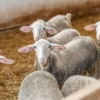
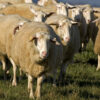
Hampshire Sheep for Sale – Fast-growing and muscular with excellent carcass quality, Hampshire sheep are a top choice for premium meat production. Known for their hardiness, strong mothering ability, and adaptability, they perform well in a wide range of farm systems. Quality breeding stock available — inquire today!
Hampshire Sheep: The Complete Guide to America’s Dark-Faced Meat Breed
The hampshire sheep stands as one of the most recognizable and valuable meat breeds in American agriculture. With their distinctive dark faces, powerful muscular build, and exceptional hardiness, hampshire sheep have earned a prominent place in commercial lamb production across the United States. Generating over 4,400 monthly searches, interest in this remarkable breed continues growing as farmers recognize their superior maternal qualities, rapid growth rates, and premium carcass characteristics.
Whether you’re searching for hampshire sheep for sale to enhance your commercial operation, considering hampshire suffolk cross sheep for premium market lambs, or researching hampshire sheep characteristics before making a purchase, understanding the complete picture of this distinguished breed is essential for success. At OrderLivestock, we’ve built America’s most trusted marketplace connecting serious buyers with verified sellers of premium hampshire sheep stock nationwide.

What Makes the Hampshire Sheep Special?
The hampshire sheep holds a unique position in American agriculture as one of the premier dark-faced meat breeds. Their distinctive appearance, rapid growth, and excellent maternal qualities make them a favorite among commercial producers and purebred enthusiasts alike.
Hampshire Sheep Origin
Where did hampshire sheep originate? The hampshire sheep origin traces to the county of Hampshire in southern England. The breed developed from the native sheep of the region, which were crossed with Southdown and other improved breeds to create an animal with superior meat qualities and hardiness. The hampshire down sheep name reflects their origin in the downlands of Hampshire.
Hampshire sheep history dates to the early 1800s, when British farmers began systematically improving local sheep. By 1829, the breed was recognized as distinct, and the first Hampshire sheep arrived in the United States around 1840. They quickly gained popularity throughout America, particularly in the Midwest and Western states.
Hampshire Sheep Breed Development
The hampshire sheep breed played a crucial role in American sheep production:
American hampshire sheep were developed through careful selection
The american hampshire sheep association was founded in 1889
Hampshire sheep became one of the most popular farm flock breeds
The breed contributed to the development of the commercial lamb industry
Hampshire Sheep Characteristics
Understanding hampshire sheep characteristics helps buyers appreciate what makes this breed exceptional:
Physical Appearance
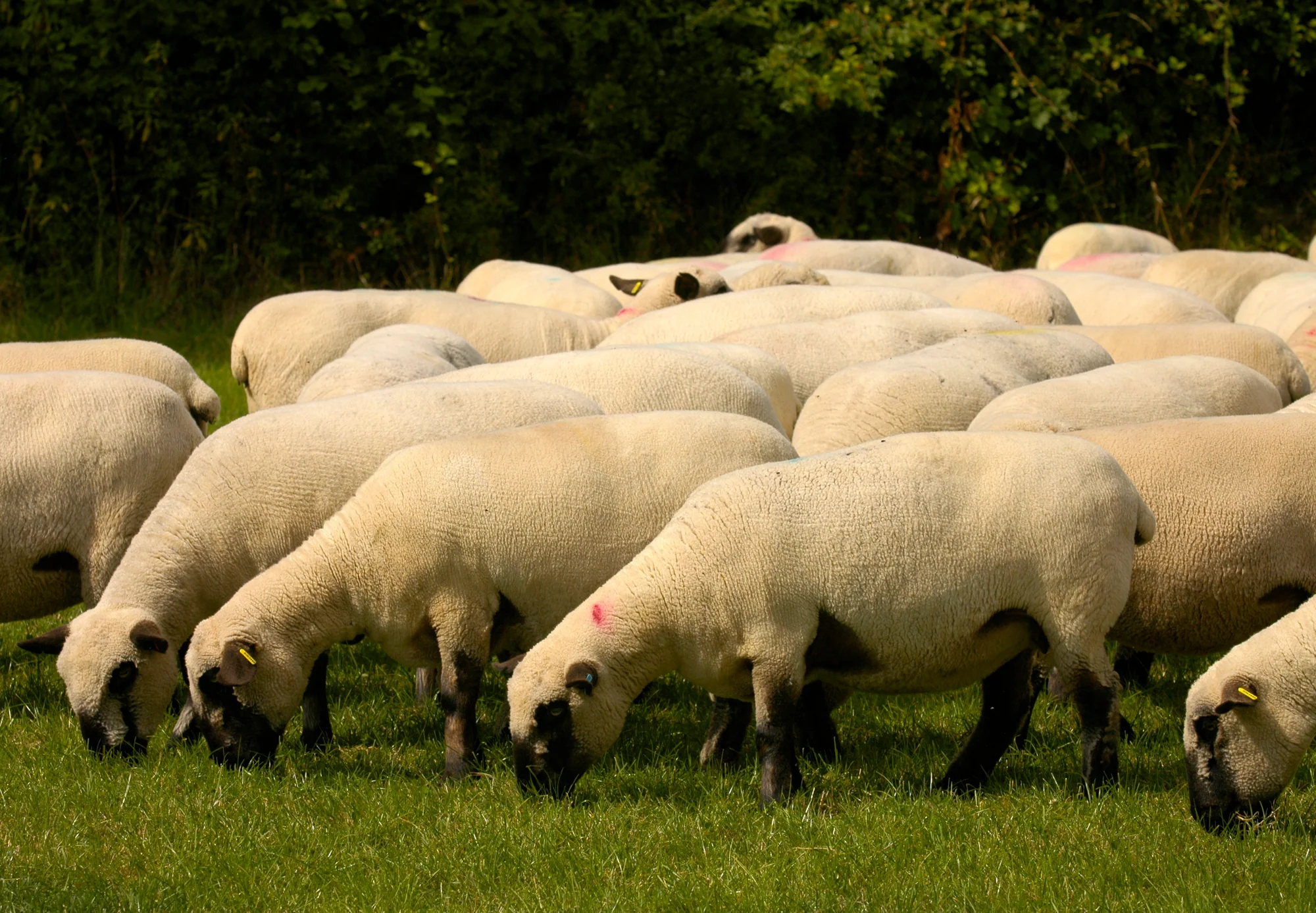
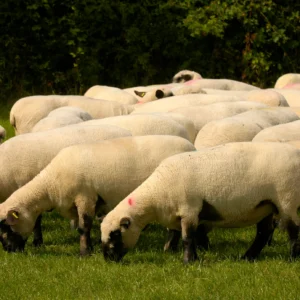
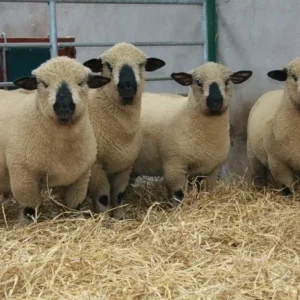
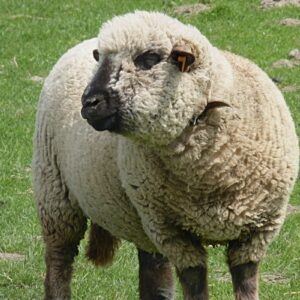
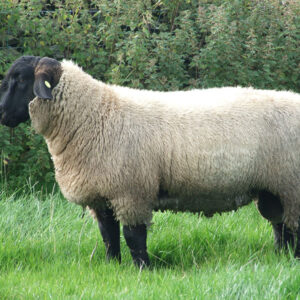
What color are hampshire sheep? Hampshire sheep color is distinctive and immediately recognizable:
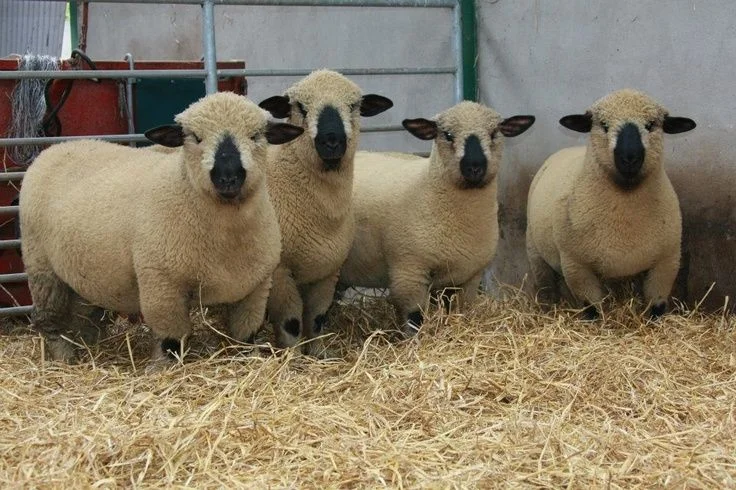
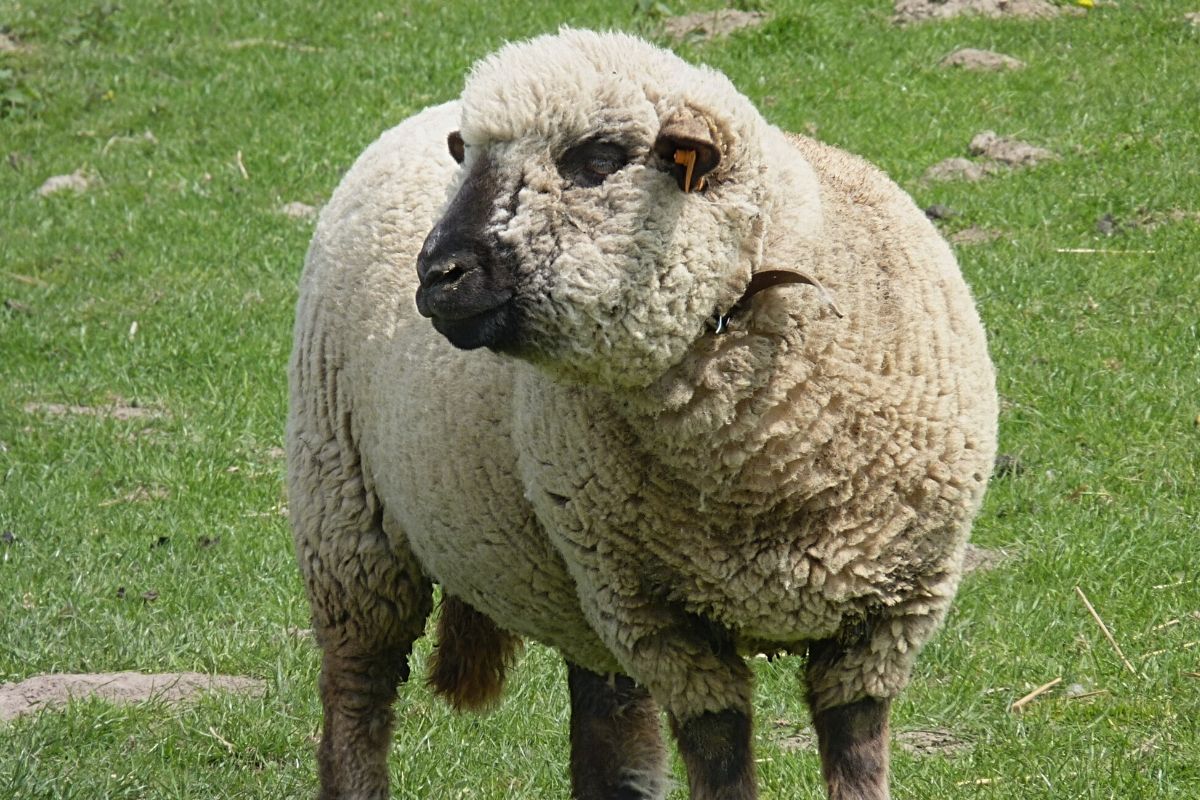
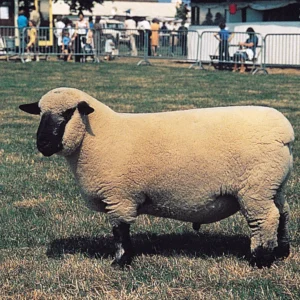
Dark brown to black face, ears, and legs
Hampshire sheep color of head and legs is uniformly dark
White wool covering the body
Hampshire sheep distinctive markings include the clean transition from dark to white
Color of hampshire sheep darkens with age, lambs may be lighter
Hampshire sheep distinctive markings are a key breed characteristic:
Dark face extends from poll to nose
Ears are dark and medium in length
Legs are dark from knees and hocks down
No wool on face or legs
Clean, sharp transition between dark skin and white wool
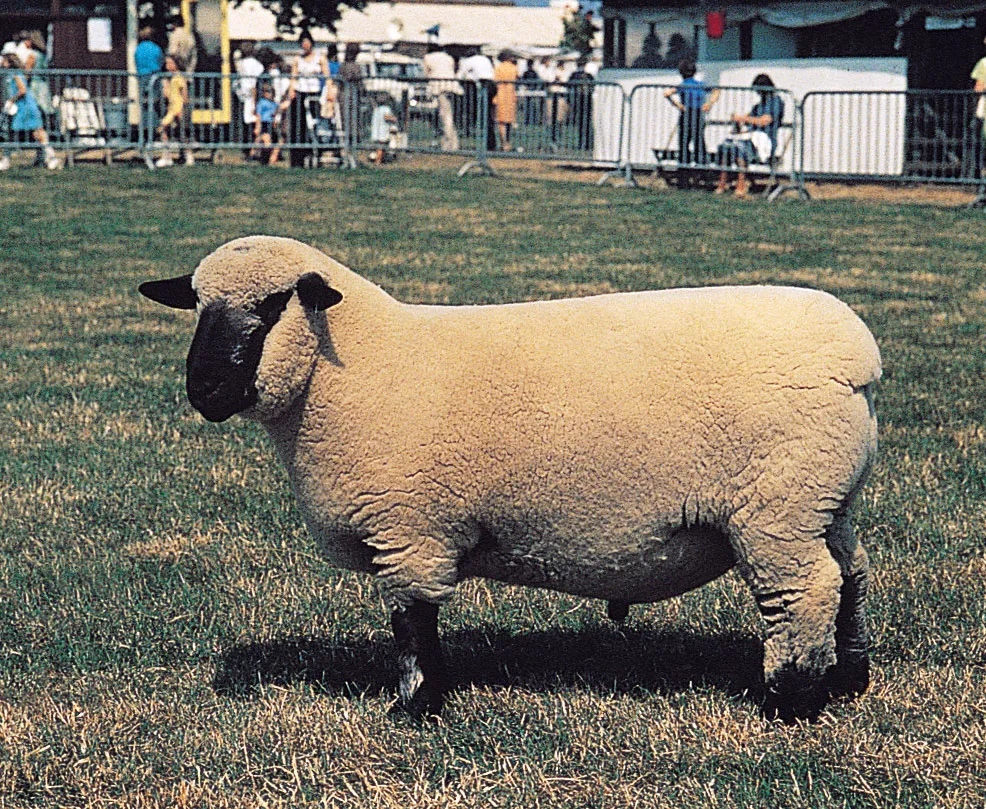
Hampshire sheep physical appearance features:
Large, long-bodied frame
Broad, deep chest
Well-muscled loin and gigot (hindquarters)
Strong, straight legs
Hampshire sheep size places them among the larger meat breeds
Hampshire sheep weight typically ranges from 200-275 pounds for mature ewes, 275-350 pounds for rams
Hampshire Sheep Special Characteristics
Hampshire sheep special characteristics include:
Are hampshire sheep polled? Yes, both sexes are naturally polled (hornless)
Excellent foraging ability
Good maternal instincts
Hampshire sheep temperament is active but manageable
Adapt well to various climates
Do hampshire sheep have horns? No, they are naturally polled
Hampshire Sheep Size and Growth
What is the size of a hampshire sheep? Understanding hampshire sheep size helps buyers plan facilities:
Hampshire Sheep Weight
How much does a hampshire sheep weigh? Mature weights:
Mature rams: 275-350 pounds (some exceed 350 pounds)
Mature ewes: 200-275 pounds
Birth weight: 8-12 pounds (rams typically heavier)
Weaning weight: 65-85 pounds at 60-90 days
Yearling weight: 150-200 pounds
Hampshire Sheep Growth Rate
Hampshire sheep growth rate is excellent:
Lambs gain 0.7-1.0 pounds daily on good nutrition
Market weight (110-140 pounds) reached in 4-5 months
Efficient feed conversion
Excellent for commercial lamb production
Hampshire Sheep Meat Quality
The hampshire sheep purpose centers primarily on meat production:
Hampshire Sheep Meat Characteristics
Lean, well-marbled carcasses
Superior cutability (high percentage of premium cuts)
Excellent flavor profile
Consistent quality across production systems
Hampshire sheep meat commands premium prices
Hampshire Sheep Meat Production
Hampshire sheep meat yields include:
50-55% dressing percentage
Excellent loin eye area
Optimal backfat thickness
Ideal for both fresh market and processing
Hampshire Sheep Used For
What are hampshire sheep used for? Primary uses include:
Terminal sire for commercial crossbreeding
Purebred breeding programs
Hampshire show sheep for competition
Hampshire down sheep production systems
Crossbreeding with Suffolks and other breeds
Hampshire Sheep Wool Production
While primarily bred for meat, hampshire sheep wool has commercial value:
Hampshire Sheep Wool Type
Hampshire sheep wool type characteristics:
Medium grade (50-58 count, 25-33 microns)
Staple length: 2-4 inches
White color suitable for dying
Good strength and elasticity
Hampshire sheep wool used primarily for blending
Hampshire Sheep Wool Yield
Average fleece weight: 5-8 pounds
Annual shearing required
Wool value supplements meat income
Hampshire sheep wool type similar to Suffolk
Hampshire Sheep vs Suffolk Sheep
For buyers evaluating options, comparing hampshire vs suffolk sheep provides valuable perspective:
| Characteristic | Hampshire Sheep | Suffolk Sheep |
|---|---|---|
| Face Color | Dark brown/black | Jet black |
| Mature Weight (Rams) | 275-350 lbs | 300-400 lbs |
| Mature Weight (Ewes) | 200-275 lbs | 250-350 lbs |
| Growth Rate | Very Good | Excellent |
| Meat Quality | Excellent | Excellent |
| Maternal Ability | Very Good | Good |
| Hardiness | Excellent | Very Good |
| Temperament | Active, manageable | Active |
| Wool Quality | Medium | Medium |
| U.S. Availability | Good | Abundant |
Difference between suffolk and hampshire sheep primarily centers on face color (Suffolk black, Hampshire dark brown/black) and slightly smaller size in Hampshires. Suffolk hampshire cross sheep combine the best traits of both breeds and are extremely popular commercially.
Hampshire Sheep for Sale: What to Expect in U.S. Markets
Understanding hampshire sheep price dynamics helps buyers budget effectively:
| Animal Type | Average Price Range | Factors Affecting Price |
|---|---|---|
| Hampshire sheep for sale (commercial ewes) | $250 – $400 | Age, condition, breeding history |
| Registered Ewes | $400 – $700 | Pedigree, production records, conformation |
| Hampshire sheep for sale near me (local) | $225 – $450 | Regional variation, transportation |
| Registered Rams | $600 – $1,500 | Genetics, conformation, progeny data |
| Hampshire down sheep for sale | $275 – $500 | Bloodline, registration |
| Suffolk hampshire cross sheep for sale | $225 – $400 | Crossbred vigor, quality |
| Show Lambs | $300 – $1,000 | Conformation, potential, genetics |
| Registered hampshire sheep for sale | $350 – $800 | Registration, confirmation, breeder reputation |
| Hampshire sheep for sale in texas | $250 – $450 | Regional market conditions |
| Hampshire sheep for sale in ohio | $250 – $450 | Regional market conditions |
How much does a hampshire sheep cost varies significantly by region, with premium prices in traditional sheep areas. Registered hampshire sheep for sale command premium prices reflecting documented genetics and breeder investment.
For buyers seeking hampshire sheep for sale near me, OrderLivestock’s breeder network provides transparent pricing and verified animal information across all states, including hampshire sheep for sale in texas, hampshire sheep for sale in ohio, hampshire sheep for sale in iowa, hampshire sheep for sale in indiana, and throughout the country.
Hampshire Sheep Breeders and Associations
Connecting with reputable hampshire sheep breeders ensures quality purchases:
American Hampshire Sheep Association
The american hampshire sheep association serves as the primary breed registry in the United States, maintaining:
Herd books and registration records
Breed standards and guidelines
Breeder directories
Show and event sanctioning
Educational resources
Hampshire Sheep Association
The hampshire sheep association works to promote and preserve the breed:
Registration services
Breed information
Breeder referrals
Show support
Hampshire Down Sheep Breeders Association
The hampshire down sheep breeders association focuses on the down-type Hampshires:
Breed preservation
Breeder networking
Show sanctioning
Genetic improvement programs
Hampshire Sheep Breeders Network
Finding qualified hampshire sheep breeders near me through OrderLivestock provides:
Verified seller credentials
Health guarantee standards
Transportation coordination
Dispute resolution support
Hampshire Sheep Advantages and Considerations
Hampshire Sheep Advantages
Hampshire sheep pros and cons analysis reveals significant advantages:
Hampshire sheep advantages include excellent meat quality
Superior maternal characteristics
Good hardiness in various climates
Hampshire sheep distinctive markings make them easily recognizable
What are hampshire sheep known for? Dark faces and meat production
Hampshire sheep special characteristics include rapid growth
Good foraging ability
Adaptable to various management systems
Hampshire Sheep Disadvantages
Hampshire sheep disadvantages to consider:
Can be more active than some breeds
Hampshire sheep wool type is medium grade, not premium
Hampshire sheep size requires adequate facilities
Dark face can increase heat stress in hot climates
Are hampshire sheep used for meat or wool? Primarily meat
Hampshire Sheep Breeding and Reproduction
Breeding Season
Hampshire sheep breeding season typically runs from August to December. They are seasonal breeders, with fertility peaking in fall.
Gestation Period
Hampshire sheep gestation averages 147 days (approximately 5 months). Lambing typically occurs:
147-150 days after breeding
January through May for fall-bred ewes
Lambing Percentage
Hampshire sheep lambing rates average 150-200%:
Ewes typically produce 1.5-2.0 lambs per litter
Twins common in well-managed flocks
Hampshire sheep excellent mothers
Good milk production for lamb growth
Hampshire Sheep Show Circuit
Hampshire show sheep represent the pinnacle of breed excellence:
Show Preparation
Early selection of potential show lambs
Intensive conditioning programs
Daily handling for show ring readiness
Proper nutrition for optimal growth
Hampshire sheep distinctive markings must be clean
Major Shows
National Hampshire Sheep Show
State and county fairs nationwide
Junior shows for youth exhibitors
New hampshire sheep and wool festival features the breed
New Hampshire Sheep and Wool Festival
The new hampshire sheep and wool festival and new hampshire wool and sheep festival are important events for Hampshire enthusiasts, featuring:
Breed exhibitions
Wool competitions
Educational programs
Breeder networking
Hampshire Sheep for Commercial Production
The hampshire sheep purpose in commercial operations includes:
Terminal Sire Use
Crossing with white-faced ewes
Producing fast-growing market lambs
Improving carcass quality
Hampshire suffolk cross sheep for premium markets
Purebred Operations
Maintaining registered flocks
Producing breeding stock
Hampshire down sheep conservation
Genetic improvement programs
Farm Flock Production
Hampshire sheep excel in farm flock settings
Good maternal characteristics
Profitable meat production
Adaptable to various systems
Hampshire Sheep Facts: Essential Knowledge for Buyers
Before searching for hampshire sheep for sale, consider these essential hampshire sheep facts:
Interesting Facts About Hampshire Sheep
Interesting facts about hampshire sheep include:
They’re one of the oldest established English breeds
Hampshire sheep fun facts include their development in the 1800s
Facts about hampshire sheep highlight their distinctive dark faces
They’re known for excellent mothering abilities
Hampshire sheep bio emphasizes their meat production
Hampshire Sheep Distinctive Markings
Hampshire sheep distinctive markings are breed-defining:
Dark brown to black face, ears, and legs
Clean transition from dark to white
No wool on face or legs
White wool covering body
Hampshire sheep color consistent across the breed
Hampshire Sheep Care and Management
Feeding Requirements
What do hampshire sheep eat? Hampshire sheep thrive on:
Quality pasture and hay
Mineral supplementation
Fresh water always available
Grain for growing lambs and flushing ewes
Health Considerations
Generally healthy and hardy
Regular vaccination program recommended
Parasite monitoring and control
Hampshire sheep lifespan 8-12 years with good care
Hoof trimming as needed
Shelter Requirements
Protection from extreme weather
Shade in hot climates (dark faces absorb heat)
Windbreaks in winter
Dry bedding areas
Hampshire Sheep for Sale: OrderLivestock Platform
Finding quality hampshire sheep for sale requires connecting with reputable breeders who maintain high standards. OrderLivestock simplifies this process:
Verified Breeder Network
Our platform features breeders who:
Maintain registered flocks with documented genetics
Participate in american hampshire sheep association programs
Provide complete health and production records
Offer hampshire sheep for sale in texas, Ohio, and nationwide
Welcome buyer inspections (virtual or in-person)
Provide hampshire down sheep for sale from quality stock
Search and Filter Capabilities
Find exactly what you need:
Hampshire sheep for sale by state and region
Filter by age, registration status, and purpose
Search for registered hampshire sheep for sale
Locate hampshire sheep for sale in ohio and other states
Find suffolk hampshire cross sheep for sale
Hampshire sheep for sale near me through geolocation
Buyer Protection
Verified seller credentials
Health guarantee standards
Transportation coordination
Dispute resolution support
Shipping and Logistics: Getting Your Hampshire Sheep Safely to Your Farm
Transporting hampshire sheep investments requires specialized expertise. OrderLivestock’s shipping network ensures safe delivery:
Transportation Options
Professional Livestock Carriers: Ventilated equipment with experienced handlers
Shared Loads: Cost-effective for smaller purchases
Dedicated Transport: Premium service for valuable breeding stock
Buyer Pickup: Arrange your own transport with seller coordination
Preparation for Arrival
Before your hampshire sheep shipment arrives:
Quarantine facilities ready (minimum 30 days recommended)
Appropriate fencing verified
Feed and water sources established
Veterinary contact confirmed
Documentation reviewed (health certificates, CVI forms)
OrderLivestock verifies all shipped hampshire sheep meet:
Interstate health requirements
Vaccination protocols
Parasite control standards
Identification requirements
Health and Inspection Standards for Hampshire Sheep
Every hampshire sheep listed on OrderLivestock meets rigorous health criteria:
Pre-Sale Requirements
Veterinary inspection within 30 days of sale
Current on recommended vaccinations
Negative tests for common diseases (OPP, CL, etc.)
Hampshire sheep weight and age documentation
Breeding records when applicable
Ongoing Health Monitoring
Reputable sellers maintain:
Regular flock health programs
Parasite resistance tracking
Breeding soundness evaluations
Genetic diversity documentation
Buyer Protection
OrderLivestock’s guarantee includes:
48-hour health inspection period
Clear protocols for addressing concerns
Verified seller accountability
Dispute resolution assistance
Frequently Asked Questions About Hampshire Sheep
1. What are Hampshire sheep used for?
Answer: What are hampshire sheep used for? Hampshire sheep are primarily used for meat production, serving as excellent terminal sires in commercial crossbreeding programs. Hampshire sheep purpose centers on producing fast-growing, muscular lambs with superior carcass quality. They’re also popular for purebred breeding programs and hampshire show sheep competitions.
2. Where did Hampshire sheep originate?
Answer: Where did hampshire sheep originate? The hampshire sheep origin traces to the county of Hampshire in southern England. Hampshire down sheep developed in the early 1800s from native sheep crossed with Southdowns and other improved breeds. The first Hampshire sheep arrived in America around 1840, and the american hampshire sheep association was founded in 1889.
3. How long do Hampshire sheep live?
Answer: How long do hampshire sheep live? With proper care, hampshire sheep lifespan typically ranges from 8-12 years. Ewes often remain productive for 6-8 years, while rams can breed effectively for 5-7 years. Their hardiness contributes to good longevity compared to some other meat breeds.
4. Do Hampshire sheep have horns?
Answer: Do hampshire sheep have horns? No, Hampshire sheep are naturally polled (hornless). Both males and females are born without horns, which is a distinguishing characteristic of the breed. Are hampshire sheep polled? Yes, this trait makes them easier to handle and reduces injury risk in flock situations.
5. What color are Hampshire sheep?
Answer: What color are hampshire sheep? Hampshire sheep color features dark brown to black faces, ears, and legs, with white wool covering the body. Hampshire sheep distinctive markings include the clean transition between dark skin and white wool. Color of hampshire sheep darkens with age, though lambs may be lighter at birth.
6. What is the Hampshire sheep purpose?
Answer: What is the hampshire sheep purpose? The primary hampshire sheep purpose is meat production. They excel as terminal sires, producing fast-growing, muscular lambs with superior carcass quality. What are hampshire sheep known for? Their distinctive dark faces, excellent maternal qualities, and premium meat production.
7. How much does a Hampshire sheep weigh?
Answer: How much does a hampshire sheep weigh? Mature Hampshire rams weigh 275-350 pounds, while mature ewes weigh 200-275 pounds. Hampshire sheep size places them among the larger meat breeds. Lambs typically reach market weight of 110-140 pounds in 4-5 months.
8. What is the size of a Hampshire sheep?
Answer: What is the size of a hampshire sheep? Hampshire sheep size is large, with mature rams standing 30-34 inches at the shoulder and ewes slightly smaller. Their long, deep bodies and muscular build make them imposing animals, though their temperament remains manageable with proper handling.
9. Are Hampshire sheep used for meat or wool?
Answer: Are hampshire sheep used for meat or wool? Hampshire sheep are primarily a meat breed, though they produce medium-grade wool as a secondary product. Hampshire sheep wool type (50-58 count) is suitable for blending and processing, but their primary value lies in meat production and crossbreeding programs.
10. What are the distinctive markings of a Hampshire sheep?
Answer: What are the distinctive markings of a hampshire sheep? Hampshire sheep distinctive markings include dark brown to black faces, ears, and legs, with clean, white wool covering the body. The transition between dark skin and white wool should be sharp and distinct, with no wool on the face or legs below the knees and hocks.
11. What is the difference between Suffolk and Hampshire sheep?
Answer: Difference between suffolk and hampshire sheep primarily involves face color (Suffolk jet black, Hampshire dark brown/black) and slightly smaller size in Hampshires. Hampshire vs suffolk sheep both excel in meat production, with Hampshires often having slightly better maternal qualities and Suffolks marginally faster growth rates.
12. What is the Hampshire sheep gestation period?
Answer: The hampshire sheep gestation period averages 147 days (approximately 5 months). Ewes bred in the fall typically lamb in late winter or early spring. Understanding the breeding season helps producers plan for optimal lambing conditions.
13. Are Hampshire sheep good mothers?
Answer: Yes, Hampshire ewes are excellent mothers with strong maternal instincts. They typically produce 150-200% lamb crops and provide adequate milk for rapid lamb growth. Their mothering ability contributes to high survival rates in well-managed flocks.
14. What is the Hampshire sheep temperament?
Answer: Hampshire sheep temperament is active but manageable. They are alert and responsive to handling, making them suitable for both commercial operations and purebred flocks. With consistent handling, they become accustomed to human contact and are easier to manage.
15. Where can I find Hampshire sheep for sale near me?
Answer: OrderLivestock simplifies locating hampshire sheep for sale near me through our breeder network mapping feature. Create a free buyer account, specify your location and interest in hampshire sheep for sale, and our platform connects you with verified breeders in your region or willing to ship to your area. We feature listings for hampshire sheep for sale in texas, hampshire sheep for sale in ohio, and nationwide.
Why Choose OrderLivestock for Your Hampshire Sheep Purchase
OrderLivestock stands apart as the premier platform connecting serious buyers with verified sellers of hampshire sheep stock across the United States:
Our Commitment to Excellence
Verified Sellers: Every breeder undergoes background verification
Health Standards: Minimum requirements exceed industry norms
Buyer Protection: Clear guarantees and dispute resolution
Expert Support: Agricultural specialists available for consultation
Experience You Can Trust
Our team combines decades of livestock experience with modern technology to create seamless buying experiences. We understand that purchasing hampshire sheep represents a significant investment, and we’re committed to protecting your interests throughout the process.
Authoritative Partnerships
OrderLivestock maintains relationships with:
State veterinary associations
Livestock transportation specialists
Agricultural extension services
American hampshire sheep association and breed organizations
Ready to Add Premium Hampshire Sheep to Your Operation?
Finding quality hampshire sheep for sale shouldn’t be a compromise between availability and quality. OrderLivestock brings together America’s finest hampshire sheep breeders in one trusted platform, giving you access to genetics that will enhance your flock for generations.
Whether you’re seeking specific hampshire sheep characteristics, exceptional hampshire sheep meat quality, or proven hampshire down sheep genetics, our network delivers options that meet your exact specifications. From hampshire sheep for sale in texas to premium Ohio genetics, we connect you with verified sellers ready to do business.
Comparing breeds? You may also like our Suffolk sheep for sale, Dorper sheep for sale and Texel sheep for sale, or browse all sheep for sale.
Further reading: American Sheep Industry Association.
| TYPE | RAM, EWE, LAMB, WETHER |
|---|
Be the first to review “Hampshire Sheep for Sale”
Related products
Sheep for Sale
Sheep for Sale
Sheep for Sale

Sheep for Sale
Sheep for Sale
Sheep for Sale
Sheep for Sale
Reviews
There are no reviews yet.