 Skip to content
Uncategorized
How Much Does a Cow Cost in the USA? Price Guide (2026)
Jun
How much does a cow cost in the USA price guide 2026
Buying a cow feels simple at first. Then the numbers show up: price per head, transport, vet checks, and the hidden cost of time and learning. This guide explains realistic price ranges and what drives cattle prices up or down in 2026. It helps you buy with confidence, not guesswork.
Why prices vary so much: the basics
Cow prices are not one fixed number because “cow” can mean many things. A 500-pound feeder steer differs from a registered Angus cow bred to calve next spring. Breed, age, weight, fertility status, and paperwork all create wide variation in value.
Markets, feed costs, and regional supply chains also shape price fluctuations. When corn or hay gets expensive, producers often reduce herd size. This can temporarily raise beef cattle prices at auction. The reverse happens when feed prices drop.
Common categories and typical price ranges
To compare online or auction offerings, sort cattle into categories. These include feeder cattle, bred cows, open heifers, bulls, and dairy cows. Each group has its own buyer expectations and value drivers.
The table below summarizes broad national ranges you can expect in 2026. These are ballpark figures based on market patterns, auction reports, and private-sales trends; local variation can be substantial.
Category Typical price range (per head) Common pricing units Feeder calves (300–600 lb) $1.10–$2.30
per lb (about $330–$1,380). Price is per hundredweight or per head.
Backgrounder or feeder yearlings (600–900 lb): $0.90–$1.60 per lb (about $540–$1,440). These are usually priced per head.
Bred cows (commercial, mid-gestation): $900–$2,500 per head. Prices are higher for registered or F1 hybrid vigor.
Open heifers (breeding age): $1,200–$3,500 per head. Price depends on genetics and conformation.
Bulls (breeding quality): $2,000–$10,000+ per head. This range is wide, and semen tests and EPDs matter.
Dairy cows for sale (fresh or in-lactation): $1,000–$4,500 per head. Value is tied to production records.
Cull cows (market cows for slaughter): $0.45–$0.70 per lb (about…).
$400–$900) Priced per pound and condition
Feeder and backgrounder cattle: how beef cattle prices are quoted
Feeder cattle are often priced by weight (per hundredweight — cwt) or by head. Market reports and online listings will show both; buyers compare live weight, frame size, and muscling to estimate future gain and feed costs.
When you see beef cattle prices quoted in per-pound terms, remember the finish weight and expected feed conversion. A cheaper per-pound feeder might cost more in the long run if it takes extra feed and time to reach market weight.
What to look for when buying feeders
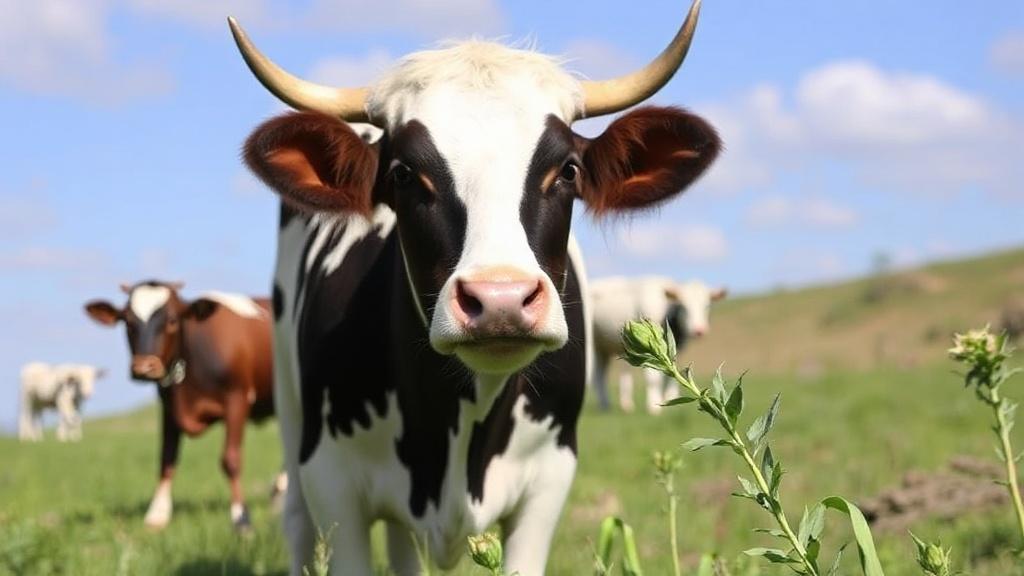
Evaluate body condition, coat health, and mobility. Cattle that are active, alert, and eating are less risky buys. Animals with lethargy, nasal discharge, or a poor hair coat are riskier.
Check vaccination history and whether cattle have been dewormed or staged (weaned and trained to feed in bunks). These management factors reduce stress and health costs after purchase.
Bred cows and open heifers: paying for fertility
When you’re buying breeding stock, fertility is the premium feature. A bred cow with a confirmed pregnancy commands a higher price than an open cow because she brings near-term production.
Age matters: cows in their prime reproductive years (3–6 years) typically sell for the most. Very young heifers may cost less but have more breeding risk. Older cows may also cost less but may have fewer productive years left.
Traits that justify higher prices
Registered pedigree, performance records, and proven maternal traits increase value significantly. Commercial buyers often pay more for proven calving ease and weaning weights. These traits add to profits year after year.
Structural soundness is also important. Feet and leg quality, udder shape, and temperament affect productivity and ease of handling.
How breed affects price
Certain breeds have market-driven premiums. Angus, Simmental, and Hereford crossbreds often earn higher prices in beef programs. This happens because consumers want them and carcass quality stays consistent. Dairy breeds such as Holstein are priced differently because their value hinges on milk production rather than meat traits.
Exotic or specialty breeds (e.g., Wagyu and Scottish Highland) often bring higher per-head prices because of niche markets and slower growth curves. If you’re buying for a specialty enterprise, expect to pay for genetics as much as for the animal itself.
Where to find cattle for sale: options and trade-offs
There are four common buying channels: local auctions, private treaty sales, livestock dealers, and online marketplaces. Each channel offers different transparency, volume, and negotiation flexibility.
Auction yards provide competitive pricing and many lots to compare, but you accept the risk of unknown history. Private treaty sales let you inspect animals and review records but may carry a higher asking price.
Buying cattle online
The digital marketplace has matured: you can find cattle for sale across the country and even arrange transport without leaving home. Listings often include photos, breed and age, and sometimes video; this helps narrow choices before a farm visit or haul-in.
When you buy cows online, verify seller credibility, ask for recent vet records, and request a video showing the animal moving. Use secure payment methods and agree in writing on who covers transport and health responsibilities.
How to evaluate a listing and avoid surprises
A good listing includes clear photos, weight and sex, vaccination and deworming history, pregnancy status for bred cows, and a disclosure of health issues. Absence of these details increases risk and can justify a lower offer.
Ask targeted questions: when was the last vet visit, what vaccines were given, when were cattle weaned, and what is the breeder’s calving season? Concrete answers cut through marketing language and reveal true value.
Red flags in listings
Beware of sellers unwilling to provide photos or answer basic health questions. “Cash only” or pressure to buy with little time to inspect are additional warning signs that due diligence is being avoided.
Also be cautious with listings that show inconsistent weights or multiple price points without explanation. These could indicate mixed-origin lots or blended data that misrepresents individual animals.
Costs beyond the sticker price
The purchase price is only the start. Transport, quarantine, initial vaccinations, pregnancy testing, and potential feed bridging can add hundreds to thousands of dollars to the total cost depending on herd size and distance.
Fencing, handling equipment, and labor are frequently overlooked. If you lack secure pens, loading chutes, or a reliable water source, you must factor in the expense and time to make the property cattle-ready.
Transport and logistics
Hauling cost depends on distance, trailer availability, and the number of animals. Local deliveries might be affordable, while long hauls require commercial livestock transport and can cost several hundred to a few thousand dollars.
Plan for stress mitigation during transport with adequate bedding, careful loading, and rest stops for long trips. Stress lowers immunity and increases treatment costs after arrival if not managed.
Health checks, biosecurity, and required paperwork
Most states require a Certificate of Veterinary Inspection (CVI) for interstate movement; some also require brand inspection or negative tests for certain diseases. Check state animal health rules before purchasing across state lines.
Quarantine new arrivals until you confirm health and vaccination status. New cattle are best isolated for two to four weeks to prevent introducing pathogens to your existing herd.
Essential pre-purchase tests and records
Ask for vaccination history, pregnancy check results, and, for dairy cows, milk production records or recent DHIA test sheets. For bulls, request breeding soundness evaluation (BSE) and semen quality if possible.
Records such as horn status, dehorning dates, and castration history help you prepare pens and feed strategies. Good records reduce risk and clarify true value.
Negotiation strategies and timing
Timing matters: seasonal cycles influence demand. Many producers sell bred cows in late winter or early spring after calving, and feeder supplies swell after weaning seasons in fall, which can depress prices.
Use this knowledge to negotiate. Buying feeders in a high-supply period or breeding females off-season can yield better deals. Also leverage facts from the animal’s records to justify offers; documented health and performance can increase your willingness to pay.
How to structure offers
Offer a firm, fair price based on comparable auction results and regional listings. If you want to protect against unseen issues, propose a short post-sale inspection period or partial holdback pending a vet check.
Consider non-monetary value items in negotiation, such as transport assistance, additional feed, or a vaccination boost, which can close deals when cash offers are tight.
Financing, insurance, and tax considerations
Many small producers pay livestock purchases out-of-pocket, but financing is available for larger operations through agricultural lenders. Loan terms often consider herd size, projected income, and collateral value of breeding stock.
Livestock mortality insurance can protect against unexpected herd loss, particularly for high-value breeding animals or specialty genetics. Policies vary, so compare coverage limits and exclusions carefully.
Tax treatment of cattle purchases
Livestock purchases and sales have tax implications depending on your operation type (commercial vs. hobby). Keep good records of purchase price, feed, vet expenses, and sale receipts for accurate reporting and deductions.
If in doubt, consult an agricultural accountant or Extension agent; they can clarify depreciable assets, capital gains treatment, and how herd adjustments affect tax filings.
Regional price differences and why location matters
Cattle for sale USA listings often show regional differences. Prices in the Corn Belt are often lower. This is due to cheaper feed and more cattle infrastructure. Remote areas can have higher prices. This is due to limited supply and higher transport costs.
State-level health regulations, brand inspection systems, and seasonal weather patterns also affect availability and thus prices. For instance, drought in a grazing region will reduce local supply and push up values temporarily.
Specialty markets: dairy versus beef
Dairy cows for sale are valued based on lactation records and somatic cell counts, not on finishing weight. A high-producing dairy cow can be worth several thousand dollars because of immediate milk income potential.
Conversely, beef-focused purchases evaluate expected feedlot performance and carcass traits. If you’re buying for a mixed enterprise, weigh milk and meat values. Also consider whether you can repurpose animals for profit.
Buying a dairy cow: things to check
Request recent milk test records, pregnancy status, and udder health history. A single mastitis episode might be manageable, but chronic high somatic cell counts can be a recurring expense.
Also consider the cow’s milking temperament. Some cows are hard to milk without a parlor setup. This can add labor costs for small-scale dairies.
How small-scale farmers can stretch their budget
For first-time buyers and hobby farmers, start small: purchase one or two cows to learn handling, feeding, and calving before scaling up. This reduces upfront cost and the risk of making costly mistakes.
Another strategy is to buy older, proven cows instead of registered heifers. Proven cows bring immediate calves and established fertility, which can accelerate return on investment.
Bartering and pooled purchases
Pooling orders with neighbors for feed, vaccines, or transportation can lower per-head costs. Some small-scale buyers also barter services like fence work or equipment for a lower purchase price.
Always put barter agreements in writing and define responsibilities clearly to avoid misunderstandings when the novelty wears off.
Practical checklist before you buy
- Verify seller credentials and references.
- Request vaccination and deworming records.
- Confirm pregnancy status for bred cows or breeding soundness for bulls.
- Arrange a vet inspection or agree to a conditional sale.
- Plan transport logistics and quarantine space.
- Estimate the total cost, including feed, fencing, and veterinary care.
Going into a purchase with a checklist helps reduce impulse decisions and keeps you on budget. It also helps you plan for hidden costs that often reduce profit.
Real-world example from the homestead
On my small farm, we started with two commercially bred cows to learn calving and pasture management. Paying a mid-range price for their confirmed pregnancies allowed us to get calves the first season and reinforced the value of confirmed breeding status.
We tracked feed costs and labor closely and learned that the initial purchase was only about 40% of the first-year cost once vet work, transport, and added fencing were included. That experience changed how we evaluated listings thereafter.
Forecast trends for 2026 and what buyers should watch
In 2026, buyers should watch input costs—feed and labor—and broader economic indicators for beef demand. If feed remains high in price, expect continued pressure to reduce herd size, which could tighten supply and lift beef cattle prices.
On the flip side, improvements in genetics and increased interest in regenerative and local beef could create niche premiums for sustainably raised cattle. Track regional auction reports and USDA summaries to stay informed about local price movement.
Quick guide to buying cows online safely
- Vet the seller: check references, farm website, and any third-party reviews.
- Request documentation: photos, videos of movement, vaccination records, and pregnancy checks.
- Arrange an independent vet inspection if possible, or schedule a pickup so you can see the animals live.
- Agree on transport terms and get everything in writing, including liabilities and return policy if applicable.
- Use secure payment methods and keep transaction receipts and bills of sale for records.
Buying online can save time and expand choices, but it increases the need for documentation and trust-building. Take the extra steps; they pay off.
How to evaluate long-term value
Consider lifetime productivity, not just initial price. A heifer that calves easily, raises healthy calves, and requires few interventions will out-earn a cheaper animal with chronic health problems.
For beef operations, factor in expected growth rates and feed conversion. For dairy, look at projected milk yield and somatic cell history. Higher upfront investment can be justified by reliable, repeatable returns.
When to pay more and when to bargain
Pay more for proven genetics, excellent health records, and animals that fit your management system. Spend less on surplus cull cows or unproven young stock if your operation has room to develop them.
If you lack handling facilities or are new to cattle, invest in easier-to-handle animals with good dispositions even if they cost a bit more. Lower stress saves vet bills and improves the longevity of the herd.
Useful resources and where to learn more
Local extension offices, breed associations, and USDA market reports are reliable sources. They provide current cattle price trends and regulatory requirements. Regional auction yards often publish weekly reports that reveal local price movement.
Join a local producer group or an online cattle forum and learn from your peers and get leads on cattle for sale USA listings that are vetted by fellow community members.

