 Skip to content
Uncategorized
How to Buy Healthy Goats Online Without Getting Scammed
Jun
How to buy healthy goats online without getting scammed
Buying goats online can feel like a leap of faith: photos look great, the price tempts you, and the seller promises healthy, registered animals. This guide walks you through practical, step-by-step actions to protect your money, your time, and the health of your herd when you buy goats online. Think of it as a livestock buying guide for the digital age—focused on verification, health checks, transport, and simple legal safeguards that matter.
Why buying goats online is different from buying in person
Online transactions remove the sensory cues you rely on at a farm visit—no smelling, touching, or watching an animal move across a pen. Without those cues, photos and short videos can mask conditions that matter, like lameness, respiratory issues, or poor body condition.
That distance places a premium on documentation and verification. You need a plan for vet checks, secure payment, and a fallback if the animal arrives sick or misrepresented. Approaching purchases with a checklist turns uncertainty into manageable steps.
Decide what you actually need: breed, purpose, and quantity
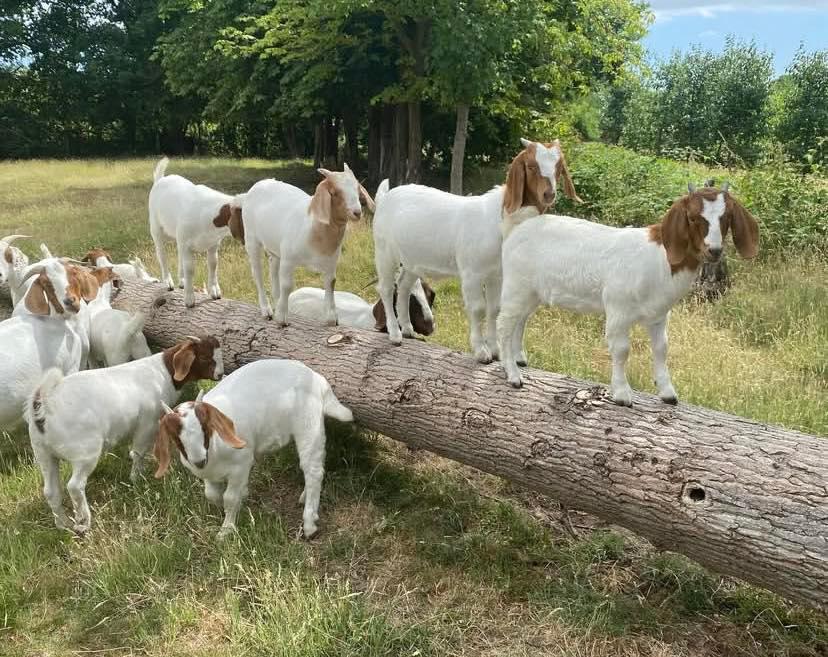
Start by asking whether you want goats for milk, meat, fiber, brush control, or as pets. Your purpose determines the breed and the selection criteria. For example, Boer goats for sale target buyers seeking meat genetics and conformation, while other breeds suit milking or fiber production.
Consider herd management too. If you’re adding breeding stock, pedigree, fertility, and disease testing matter more than if you buy feeders or companion animals. Know the number you can properly care for—transport and quarantine become more complicated with larger groups.
Where to look: reputable sites and sources
Not all platforms are equally safe. Reputable sources include breed association listings, established farm websites, local extension office classifieds, and known livestock marketplaces that offer seller ratings or escrow services. These outlets tend to attract experienced breeders who maintain records.
Facebook groups and general classified sites can be useful, but exercise extra caution there. Look for sellers who have an active presence over months or years, post herd updates, and can provide references. Avoid listings with generic stock photos or sellers who only communicate through messaging apps and refuse video or a live call.
Examples of reliable places to search
Breed association marketplaces and regional agriculture extension boards often list goats for sale from breeders who follow best practices. Established livestock auction platforms and farm directories are other good places to browse.
When possible, prioritize sellers who offer clear documentation, are willing to arrange pre-purchase veterinary exams, and accept secure payment methods that have buyer protections.
Vet the seller: verification steps that reduce risk
A quick background check on the seller goes a long way. Ask for the farm name, physical address, and a phone number. Search for their farm online, look for reviews or forum mentions, and check whether they’re active in breed associations or local agricultural events.
Request references—past buyers who will speak about the animals and after-sales support. A legitimate breeder usually has a handful of satisfied customers and won’t mind sharing contact information. If a seller refuses references or becomes evasive, treat that as a red flag.
Questions to ask every seller
Request specific answers, not generalities. Ask about the animal’s age, sex, reproductive history (if applicable), recent veterinary exams, vaccination and deworming history, and any known health issues. Ask how long the animal has been on the farm and whether it has traveled or been mixed with other herds recently.
Ask for registration papers if the animal is advertised as registered and for photos of the dam and sire if breeding is a goal. Legitimate sellers can provide these or explain why they cannot.
Document and verify health records before you buy
Healthy goats come with records. Ask for the animal’s health records, including vaccination dates, deworming, fecal egg count results, and any diagnostic test results relevant in your region. These documents help you judge current health and management practices on the farm.
Common items to request include recent fecal egg count (FEC), a herd health plan, and documentation of vaccinations administered. If the seller claims the goat is test-negative for infectious diseases, ask for the lab report or veterinarian’s certificate—don’t rely solely on verbal assurances.
What a basic pre-sale health packet should include:
At minimum, ask for a written summary showing the animal’s age, any recent treatments, and the last date it was seen by a veterinarian. If the animal is for breeding, request reproductive history; for registered animals, ask for pedigree and registration numbers. Verify any paperwork by contacting the issuing organizations when possible.
These documents won’t guarantee lifetime health, but they tell you whether the seller follows reasonable herd health practices and whether the animal recently received professional oversight.
Use live video and multiple photos to inspect animals remotely
Insist on a live video call before paying. A live session allows you to watch the goat move, breathe, eat, and respond to the handler. Ask the seller to walk the goat in a straight line on a firm surface so you can see gait, balance, and any sign of lameness.
Request timestamped photos and multiple angles—head, teeth, hooves, udders or scrotum, and a clear side profile. Pay attention to body condition score, hair coat quality, and cleanliness. If the seller objects to live video or offers only edited clips, treat that as suspicious.

Red flags: signals that a listing may be a scam
There are common tactics scammers use: extremely low prices with a high-pressure message, reluctance to provide contactable references, refusal to use secure payment methods, and claims that the animal is “in transit” requiring an immediate deposit. These should all trigger caution.
Other red flags include inconsistent stories, photos that appear to be stock images or stolen from other listings, and sellers who refuse in-person visits when you request one and live nearby. If anything feels off, step back and verify.
Typical scam scenarios and how to respond
One common scam involves a seller asking for wire transfer or gift card payment and then disappearing. Counter this by insisting on a traceable payment method and an escrow service for larger purchases. If a seller refuses, politely walk away.
Another scheme shows high-quality photos but, after payment, delivers a sick or different-looking animal or no animal at all. To avoid that, require a bill of sale with animal descriptions, and if possible, arrange an independent third-party inspection before final payment.
Secure payment methods and contractual protections
Never use untraceable payment methods like wire transfers to unknown sellers. Use payment methods with buyer protection such as a credit card, PayPal Goods & Services, or a third-party escrow service when available. These options give you some recourse if the sale goes wrong.
Always get a bill of sale that includes full descriptions of the animal(s), herd identification numbers if applicable, purchase price, health certifications, and any agreed return policy or health guarantee. Keep copies of all messages, invoices, and documentation.
What to include in a bill of sale
A clear bill of sale should list the seller’s and buyer’s names and contact information; the physical description of each animal (age, sex, breed, color, and markings); price; payment method; and the date of transfer. Add clauses about health guarantees, who pays for transport, and resolution steps if the animal is misrepresented.
For breeding animals, include details about registration, genetic testing, and any agreements on retained breeding rights. If possible, have your document reviewed by someone experienced in livestock transactions or a local extension agent.
Transport, pickup, and interstate rules
Transport can be as risky as the purchase itself. When buying across state lines, you may need a health certificate from a licensed veterinarian and compliance with state or federal traceability programs. Ask the seller what documents they will provide and whether they have experience shipping animals safely.
If you arrange pickup, bring a trailer suitable for the number and size of goats, and plan for safe loading. If the seller ships, ask for carrier references and details of how animals travel. Reputable shippers use padded crates, perform regular checks, and minimize time on the road.
Health certificates and animal movement
Health certificate requirements vary by state and by the animal’s intended use. Some states require negative disease tests or specific vaccinations before entry. Confirm requirements with your state animal health office before finalizing the sale so there are no surprises at the border.
Insist the seller provide any required certificates and get copies before the animal leaves their farm. If the seller is unfamiliar with interstate shipping rules or resists obtaining necessary paperwork, think twice about proceeding.
Quarantine and first actions after arrival
Quarantining new animals is one of the best investments you can make. Isolate new arrivals from your herd for 30 days, monitor them daily, and arrange a vet check within the first week. Quarantine reduces the chance of introducing parasites or infectious disease into your established group.
During quarantine, run a fecal egg count, check for external parasites, and assess body condition and behavior. Schedule vaccinations or treatments recommended by your veterinarian, and avoid mixing feeding equipment or pens until the quarantine period ends.
Immediate veterinary checks and tests
Ask your veterinarian which tests are appropriate for your region and herd goals. A basic post-arrival vet visit might include visual inspection, fecal testing, and a parasite treatment plan. For breeding stock, fertility checks and reproductive exams may be appropriate as well.
Document the vet visit and treatments. If the animal arrives ill, notify the seller immediately, provide photographic evidence and vet records, and refer to your bill of sale for resolution steps. Some breeders offer limited health guarantees that require timely notification.
Genetics and breeding: what to ask for when buying breeding stock
When you buy breeding animals online, pedigree and genetic history matter. Request sire and dam information, performance records if available, and any known congenital issues in the line. For Boer goats for sale, buyers typically want confirmation of conformation, growth rates, and the source herd’s reputation.
If you’re buying a registered animal, verify registration numbers with the issuing association. Be wary of sellers who provide falsified registration papers or refuse to allow you to verify pedigree information independently.
When to use genetic testing
Genetic testing can confirm parentage or screen for heritable conditions relevant to specific breeds. Use it when you’re investing in breeding stock or when the seller cannot produce reliable pedigree documentation. Tests add cost but reduce long-term genetic risk for your herd.
Work with a veterinarian or breed association to determine appropriate tests. Reliable breeders will often have test results available or can point to herd testing programs they participate in.
What to expect when shopping for Boer goats for sale
Boer goats are popular for meat production and have specific selection criteria such as muscle structure, growth rate, and overall conformation. When you search for Boer goats for sale online, prioritize sellers who provide multiple photos, live video, and clear lineage details.
Ask about the herd’s management, including forage programs, parasite control, and selection goals. Good Boer breeders will be transparent about how they raise kids, weaning practices, and the conditions under which animals are kept before sale.
Common health issues to be aware of in goats
Goats are susceptible to parasites, foot problems, and respiratory issues, among other conditions. Good sellers practice regular parasite monitoring, hoof trimming, and prompt veterinary care. Asking about routine herd management practices gives you an early clue to overall herd health.
Don’t expect a perfect record, but do expect transparency. If a seller admits to an issue and shows how they managed it (veterinary treatment, changes in management), that honesty is a positive sign compared to someone who dismisses questions or insists their herd is flawless without documentation.
How to evaluate photos and descriptions critically
Photos can be manipulated or dated. Look for environmental clues: Are pen fixtures the same across multiple photos? Do the animals appear in different positions and lighting? Check metadata when possible or ask for a recent timestamped photo to ensure authenticity.
Descriptions should match images. If a listing claims “healthy goats” but the photos show emaciated animals or overgrown hooves, walk away. Trust your judgment and rely on objective measures like body condition scoring rather than flattering language.
Negotiating price and what a fair deal looks like
Prices vary widely by breed, age, registration, and market conditions. Research typical prices in your region by checking multiple listings for similar animals. A fair price reflects the animal’s age, health status, and documentation—extremely low prices are often a warning sign.
When negotiating, factor in transport costs, potential vet checks, and quarantine expenses. It’s reasonable to ask the seller to share the cost of a pre-shipment vet exam or to hold the animal until a joint payment arrangement is in place through escrow.
Use a third party for inspection when you can’t visit
If you’re buying remotely and cannot visit, hire a local veterinarian or experienced stock inspector to perform a pre-purchase examination. A professional can catch problems you might miss on video and provide an objective report to support your decision.
Many rural areas have consultants or extension agents who offer inspection services. The small fee for an independent inspection can save thousands in medical bills or regret later.
Protecting yourself legally and following up after purchase
Keep all documents: the bill of sale, health certificates, correspondence, and photos. If a problem arises, these records support your case with the seller, the payment provider, or, if necessary, law enforcement. Timely communication and documented evidence increase your chances of resolution.
If the animal arrives sick, act quickly: get a vet diagnosis, collect evidence, and notify the seller in writing. Refer to the terms of sale and consider mediation through the payment platform if the seller disputes your claim.
How to recover from a bad online purchase
If you suspect you’ve been scammed, pause before sending more funds. Contact your bank or payment provider to file a dispute if you used a protected payment method. File a report with local authorities and any online marketplace where the ad appeared.
Share your experience in breed forums and local agricultural groups to warn others. If the animal arrived but is ill, focus on veterinary care and recordkeeping—some breeders will negotiate refunds, exchanges, or partial reimbursements once presented with a vet’s report.
Real-life example: buying two doelings online
Some years ago, I purchased two doelings advertised as well-socialized Boer cross kids from a small breeder listed on a local farm directory. The seller had a website, older social media posts, and references that checked out, which made me comfortable proceeding with a video call and a pre-sale vet certificate.
After arrival, I quarantined them for three weeks and had a vet run fecal egg counts. One kid needed a deworming treatment and a hoof trim; the seller reimbursed the vet bill after we compared notes and documents. That experience taught me how valuable documentation, quarantine, and clear communication are in avoiding larger problems.
Practical checklist before you click buy
Use a checklist to avoid missing critical steps. Items on mine include seller verification, live video inspection, up-to-date health records, agreed payment terms, and clear transport arrangements. A checklist turns vague worries into actionable tasks.
| Item | Why it matters | Action |
|---|---|---|
| Seller contact and farm address | Helps verify legitimacy | Search online, call, and ask for references |
| Live video inspection | Allows observation of gait and behavior | Request real-time walking, breathing, and eating |
| Health records | Shows recent treatments and tests | Get copies and verify with the vet |
| Payment method | Protects buyers’ funds | Use escrow or protected payment |
| Bill of sale | Defines sale terms and recourse | Include descriptions, guarantees, and transport terms |
| Quarantine plan | Prevents disease spread | Arrange isolation area and vet checks |
Resources to consult
Your local extension office, breed associations, and experienced hobby farmers are invaluable resources. Extension agents can confirm transport rules and may provide lists of reputable breeders in your area. Breed associations often maintain member directories and uphold breeding standards.
Online forums and Facebook groups are helpful for anecdotal experiences and recommendations, but treat those as adjuncts to verifiable documentation and professional advice. When in doubt, consult your veterinarian before finalizing a purchase.
Balancing caution and opportunity
Online marketplaces expand access to diverse genetics and rare breeds, letting small farmers find Boer goats for sale or specialized breeding stock far beyond their local area. With planning and due diligence, you can take advantage of these opportunities without exposing yourself to major risk.
Be methodical: verify the seller, demand current health information, use protected payment methods, and quarantine new arrivals. Those steps don’t eliminate risk entirely, but they turn buying goats online from a leap into a well-managed decision.
Buying livestock over the internet introduces variables you can control if you plan ahead. Use the tools and steps described here as your livestock buying guide—verify sellers, insist on health documentation and live inspection, arrange secure payment and transport, and quarantine new animals. Those measures protect your herd, your budget, and your peace of mind while letting you access the animals you need.

