 Skip to content
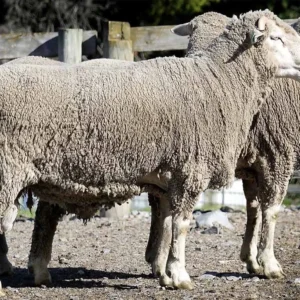
Merino sheep for sale
Price range: $90.00 through $300.00
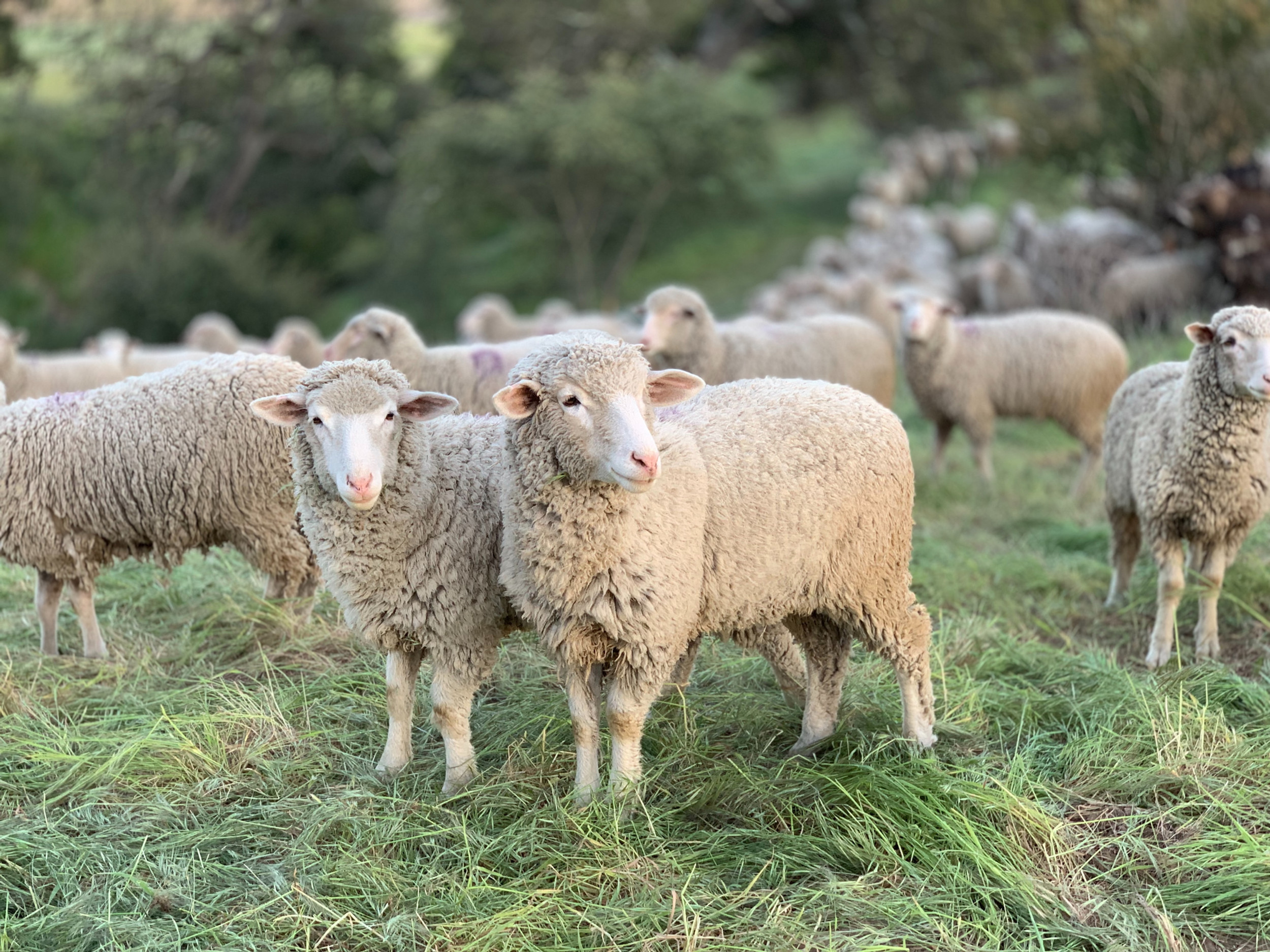
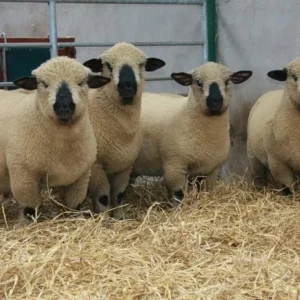
Merino Sheep for Sale – Globally prized for their ultra-fine, soft wool and excellent adaptability, Merinos are a top choice for premium fiber production. Hardy, efficient grazers with strong flocking instincts, they perform well in diverse climates. Quality breeding stock available — contact us today!
The Merino Sheep: Ultimate Guide to Breed, Wool, and Purchase in the U.S.
The Aristocrat of Fine Wool
The Merino sheep is, without question, the most famous and influential wool breed in the world. For centuries, their exceptionally soft, fine fleece has been prized by royalty and coveted by textile artisans, forming the foundation of a global industry that produces the world’s most luxurious woolens. Originating in Spain, where their export was once a crime punishable by death, the Merino has spread across the globe, adapting and thriving in diverse climates from the Australian outback to the pastures of America. At OrderLivestock.com, we connect modern producers with top breeders across the United States, offering a secure and transparent platform to find quality Merino sheep for sale. Whether you are a commercial wool producer, a fiber artist seeking the finest fleece, or a hobby farmer drawn to this historic breed, this comprehensive guide will cover everything you need to know, from their secretive Spanish origin and unique characteristics to the nuances of their world-famous wool and how to make a confident, high-value purchase.
What is a Merino Sheep? Defining the Breed Standard
The Merino sheep breed is a medium-sized breed of domestic sheep, renowned globally for its production of the finest, softest wool of any breed. Their fleece is characterized by an extremely fine fiber diameter (measured in microns), exceptional crimp, and uniform quality. They are not a single, monolithic breed but rather a family of related strains and types, each developed in different parts of the world for specific environments and production goals.
Key Characteristics of Merino Sheep
Understanding the merino sheep characteristics is essential for any potential buyer. These traits directly impact their performance and value.
-
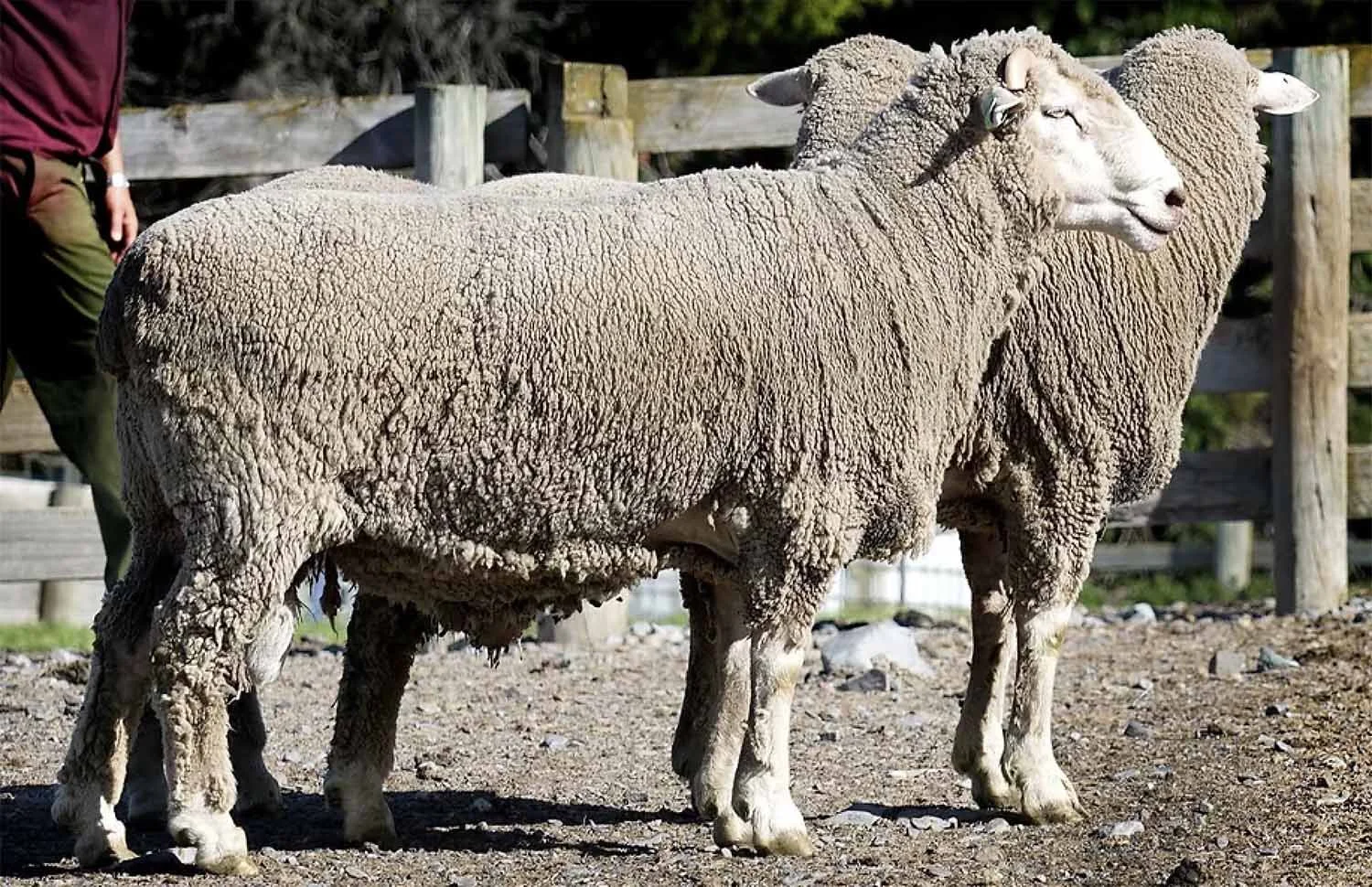
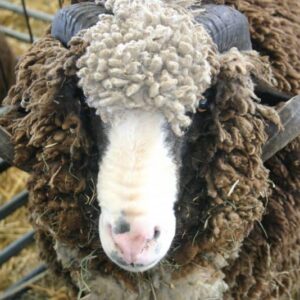
Appearance: Merinos have a distinctive appearance, with their fine-wool fleece often covering most of their body, including the face and legs. This “wool blindness” can be a management challenge, as it can impair vision. They have a characteristic “roman nose” and, depending on the strain, can be either horned or polled.
-
Size and Weight: The merino sheep size is moderate. Mature ewes typically weigh between 120 and 180 pounds, while mature rams can weigh between 175 and 250 pounds or more. Meat-focused strains (Mutton Merinos) are larger and more muscular.
-
Wool Quality: This is the breed’s defining feature. Merino wool is prized for its fineness, softness, and elasticity. The fiber diameter can range from less than 15 microns (ultrafine) to over 24 microns (strong wool). The merino sheep wool type is classified as fine wool, with a dense, highly crimped fleece that provides excellent insulation.
-
Temperament: They are generally docile but can be more nervous than some other breeds. Their strong flocking instinct makes them well-suited for range conditions.
The Secretive History: Origin of the Merino Sheep
To answer the frequent query “where did merino sheep originate,” their story begins in Spain. For centuries, the Spanish monarchy held a virtual monopoly on the finest wool in the world, jealously guarding their Merino flocks and forbidding their export under penalty of death. This secrecy made the Merino a legendary and coveted animal across Europe.
In the late 18th and early 19th centuries, this monopoly began to crumble. Gifts of Merino sheep to other royal houses, and the chaos of the Napoleonic Wars, allowed the breed to spread. They were introduced to other European countries, including France (where they contributed to the development of the Rambouillet), and eventually to Australia, South Africa, and the United States.
Today, the largest populations of Merino sheep are found in Australia, which has become synonymous with Merino wool production. The Australian merino sheep is now a distinct type, further subdivided into strains like the Peppin, Saxon, and South Australian, each adapted to specific environments and wool types.
The Wool of Kings: Understanding Merino Fiber
The phrase “merino wool sheep” is almost redundant, as the breed’s identity is so closely tied to its fleece. To answer the query “what is merino wool,” it is the soft, fine, and highly crimped fiber that grows from the follicles of Merino sheep.
Key Wool Characteristics
-
Fineness (Micron): This is the most critical factor. Micron (µ) measures the diameter of a single wool fiber. The lower the micron, the softer and finer the wool. Merino wool can range from:
-
Ultrafine: < 15.5 µ (used for next-to-skin garments)
-
Superfine: 15.6 – 18.5 µ (used for high-end suiting and knitwear)
-
Fine: 18.6 – 20.5 µ (versatile, high-quality wool)
-
Medium: 20.6 – 23.0 µ
-
Strong: > 23.0 µ (used for heavier fabrics and outerwear)
-
-
Staple Length: The length of the wool fibers, typically 2.5 to 4 inches for Merinos.
-
Crimp: The natural wave in the fiber, which contributes to wool’s elasticity and resilience. Merino wool has a high frequency of fine, regular crimp.
To answer “how much wool does a merino sheep produce,” a ewe can yield 8 to 15 pounds of grease wool per year, while a ram can produce 12 to 20 pounds or more, depending on the strain and management.
Merino Sheep vs. Rambouillet: A Common Comparison
Given the shared ancestry, it’s common for buyers to compare merino vs rambouillet sheep. Here is a clear breakdown:
| Feature | Merino Sheep | Rambouillet Sheep |
|---|---|---|
| Size | Moderate, with a focus on wool production. | Larger, with a more robust, dual-purpose conformation. |
| Wool | The finest wool of any breed, with exceptional softness. | Fine wool, but typically not as fine as the best Merino strains. |
| Face | Often has wool on the face, which can cause wool blindness. | More open-faced, with less wool impairing vision. |
| Hardiness | Highly adaptable, but some strains are more delicate. | Renowned for extreme hardiness and adaptability to range conditions. |
| Primary Use | Primarily wool production, though some strains are dual-purpose. | True dual-purpose: both wool and meat. |
To answer “what are merino sheep used for,” their primary purpose is the production of premium fine wool. However, Mutton Merino strains have been developed specifically for their excellent meat-producing qualities as well.
Why Buy Your Merino Sheep from OrderLivestock?
At OrderLivestock.com, we provide a trusted digital marketplace that connects producers with the nation’s most reputable breeders of premium breeds like the Merino. We understand that purchasing registered breeding stock is an investment in your flock’s future, and we are here to make that process transparent, secure, and data-driven.
Transparent Pricing on Merino Sheep
The merino sheep price reflects the breed’s quality, wool fineness, genetics, and registration status. To answer the query “how much does a merino sheep cost,” here is a detailed breakdown of the U.S. market.
| Class of Sheep | Price Range (Per Head) | Key Factors Influencing Price |
|---|---|---|
| Commercial Feeder Lambs | $150 – $350 | Weight, health, and source. Valued for their wool and growth potential. |
| Registered Ewe Lambs | $300 – $1,000+ | Pedigree, wool fineness (micron count), conformation, and the reputation of the breeder. Foundation females for a purebred flock. |
| Registered Rams | $500 – $3,000+ | Genetics, wool fineness (micron count), conformation, and growth rates. Proven sires with exceptional offspring records command the highest prices. |
| Bred Ewes | $500 – $1,800+ | A ewe confirmed pregnant, with the value tied to her genetics and the genetics of the sire she is bred to. |
| Ultrafine/Superfine Wool Sheep | $1,000 – $5,000+ | Animals with documented, exceptionally low micron counts (e.g., under 16µ) are highly prized and command premium prices. |
To answer “how much are merino sheep” directly: the price ranges from $150 for a commercial feeder lamb to well over $3,000 for a top-tier, registered ram with proven superfine wool genetics. The value is intrinsically linked to the animal’s genetic potential for wool fineness and quality.
Uncompromising Livestock Health & Inspection Standards
The health of your flock is our priority. All merino sheep for sale on our platform are listed by breeders who must adhere to strict health guidelines. This includes:
-
Current negative tests for relevant diseases (e.g., OPP, CL, Johnes) as recommended by the seller or buyer.
-
Up-to-date vaccinations (e.g., CD&T) following industry-standard protocols.
-
A recent veterinary health certificate for interstate transport.
-
Clear documentation of registration papers with the American Merino Sheep Association or other relevant breed organizations.
We help you buy with confidence, knowing the animal you are purchasing is healthy, well-managed, and genetically as described.
Nationwide Shipping and Logistics
Finding the perfect Merino genetics shouldn’t be limited by geography. Our platform simplifies the logistics of getting your new seedstock to your farm, no matter where you are in the United States.
-
Specialized Transport Network: We connect you with experienced livestock haulers who specialize in the safe, low-stress transport of sheep.
-
Nationwide Reach: Whether you are searching for merino sheep for sale in texas, ohio, california, vermont, or anywhere in between, our platform connects you with sellers and shippers who can make the delivery happen.
-
Full Transparency: We provide estimated shipping costs and timelines, so there are no surprises on your final investment.
Commercial Producers and Fiber Enthusiasts
We cater to all segments of the Merino sheep industry.
-
Commercial Wool Producers: Looking to improve your wool clip’s fineness and uniformity? Filter our listings for Merino rams with superior micron scores and wool characteristics.
-
Fiber Artists and Hobby Farmers: Searching for a small flock of friendly, high-quality wool producers? Find registered ewes with documented fleece quality to start your own fiber flock.
How to Order Merino Sheep Online:
Purchasing specialized, high-value livestock online requires trust and transparency. OrderLivestock provides both. Follow these simple steps to invest in your flock’s future.
-
Search and Filter: Use our powerful search tool to find merino sheep for sale. Filter by registration status, location, price, age, and gender to find the perfect match.
-
Review the Listing: Each listing includes multiple high-quality photos, a detailed pedigree, wool quality data (micron count, staple length), health records, and the breeder’s background. Pay close attention to the animal’s wool characteristics and genetic potential.
-
Connect with the Breeder: Use our secure messaging system to ask the seller detailed questions. Inquire about the animal’s wool fineness, its sire’s and dam’s performance, and its full health protocol.
-
Secure Your Investment: Our integrated payment platform protects your funds, releasing them to the seller only after you have confirmed the safe arrival and satisfaction with your animal.
-
Arrange Transport: Work with the seller and our network of recommended livestock transporters to coordinate the safe and humane delivery of your new sheep.
-
Welcome to Your Flock: Quarantine new arrivals as per best practices, and begin realizing the genetic potential of your new Merino investment.
Frequently Asked Questions About Merino Sheep
1. What is a Merino sheep?
A Merino sheep is a breed of domestic sheep prized for its production of the world’s finest and softest wool. Originating in Spain, they are now found worldwide and are the foundation of the global fine-wool industry.
2. Where did Merino sheep originate?
Merino sheep originated in Spain, where for centuries the export of the breed was strictly forbidden to protect the Spanish monopoly on fine wool. They were first introduced to other countries in the late 18th and early 19th centuries.
3. What are Merino sheep used for?
Merino sheep are primarily used for the production of premium fine wool, which is used in high-end clothing, textiles, and yarn. Some strains, like the Mutton Merino, are also bred for high-quality meat production.
4. What is Merino wool?
Merino wool is the soft, fine, and highly crimped fiber that grows from Merino sheep. It is characterized by its low micron count (fiber diameter), which makes it soft enough to be worn comfortably against the skin, unlike coarser wools.
5. What are the characteristics of a Merino sheep?
Key characteristics include a fine-wool fleece that often covers the face and legs, a moderate size, and a docile temperament with a strong flocking instinct. Their defining feature is their production of exceptionally fine, soft, and crimped wool.
6. How long do Merino sheep live?
With proper care, nutrition, and healthcare, Merino sheep have a typical lifespan of 10 to 12 years. Ewes can remain productive in the breeding flock for 6 to 8 years or more.
7. How much wool does a Merino sheep produce?
A Merino ewe can produce 8 to 15 pounds of grease wool per year, while a ram can produce 12 to 20 pounds or more. The exact amount depends on the strain, genetics, and management practices.
8. How much does a Merino sheep cost?
The price varies widely. Commercial feeder lambs can range from $150 to $350. Registered ewe lambs typically sell for $300 to $1,000. Top-quality, registered rams with superior wool genetics can range from $500 to $3,000 or more, with ultrafine wool animals commanding the highest prices.
9. Do Merino sheep have horns?
It depends on the strain. Some strains of Merino sheep are horned, particularly the rams, which can have large, spiraled horns. Other strains have been selectively bred to be polled (naturally hornless).
10. What is the difference between Merino and regular sheep?
The primary difference is their wool. Merino sheep produce a much finer, softer, and more highly crimped wool than “regular” sheep (often referred to as “coarse wool” breeds). Merinos are also typically smaller and more specialized for wool production, while other breeds may be raised primarily for meat.
Conclusion: Invest in the Breed That Defines Luxury Fiber
The Merino sheep is more than just a breed; it is a living legacy of agricultural history and a continuing source of the world’s most luxurious natural fiber. Their unparalleled wool quality, combined with their adaptability and historic significance, makes them a uniquely valuable asset for any producer, whether you are managing a large commercial flock or a small farm-based fiber enterprise.
At OrderLivestock.com, we are your trusted partner in acquiring these exceptional genetics. We provide the platform, the critical wool data, and the network of vetted breeders you need to make an informed, confident, and successful purchase. Don’t just search for “merino sheep“—build a more profitable and renowned flock with us.
Related products
SHEEPS
SHEEPS
SHEEPS

SHEEPS
SHEEPS
SHEEPS

Reviews
There are no reviews yet.