
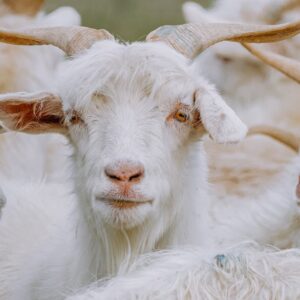
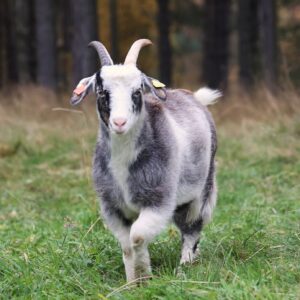
cashmere goats for sale
Price range: $100.00 through $300.00
Cashmere goats are prized worldwide for producing one of the most luxurious and valuable natural fibers. Known for their soft, insulating undercoat, these goats are an excellent choice for farmers seeking high-margin fiber production combined with adaptability and low maintenance requirements.
The Cashmere Goat: Your Complete Guide to Fiber, Farming, and Purchase in the U.S.
The Goat Behind the Luxury
The term “cashmere” evokes images of unparalleled softness, warmth, and luxury. But behind every exquisite sweater or scarf is a remarkable animal: the cashmere goat. Far from being a single breed, a cashmere goat is any goat that grows a soft, fine undercoat (the cashmere) beneath its coarse outer hair. At OrderLivestock.com, we are dedicated to connecting American farmers and fiber enthusiasts with high-quality cashmere goats for sale. Whether you are looking to start a small fiber flock or invest in a commercial herd, understanding these unique animals—their characteristics, care, and the true story behind their luxurious fiber—is essential. In this guide, we will cover everything from their origins in the highlands of Asia to the practicalities of purchase and farming in the United States.
What is a Cashmere Goat? Defining the Fiber Producer
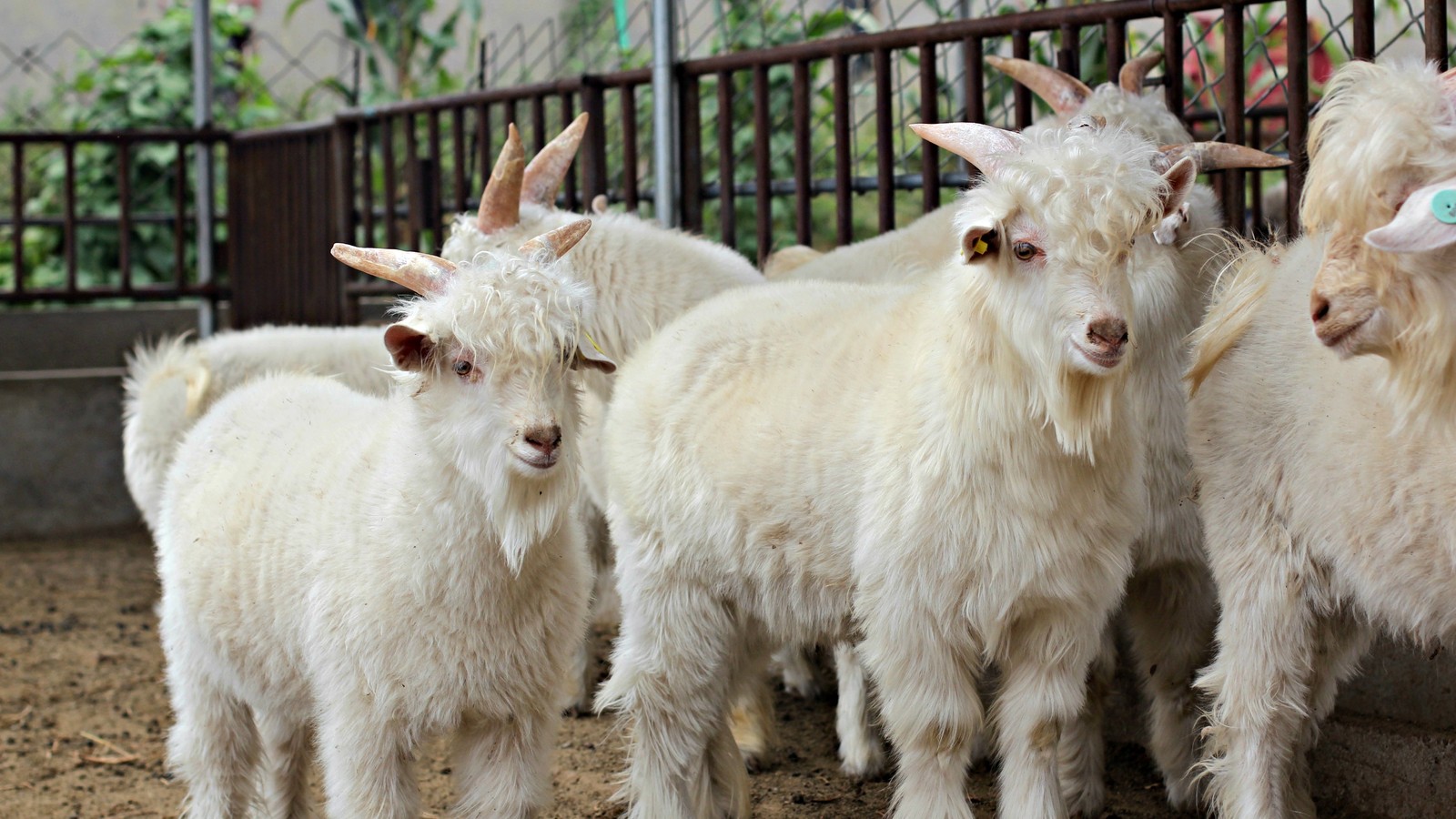
The simple answer to “what is a cashmere goat?” is a goat that produces cashmere fiber. However, the reality is more nuanced. Cashmere is not a breed but a trait. It refers to the soft, downy undercoat grown by many goat breeds to insulate themselves against harsh winter climates. To be classified as cashmere, the fiber must be less than 18.5 microns in diameter (finer than human hair). Several distinct breeds are renowned for this trait, including the Australian cashmere goat, the Mongolian cashmere goat, and the developing American cashmere goat. The key is selective breeding to enhance the quality and quantity of this precious undercoat.
Key Characteristics of Cashmere Goats
Understanding cashmere goat characteristics is vital for any potential owner. These are not just fiber-producing machines; they are hardy, intelligent livestock with specific needs.
-
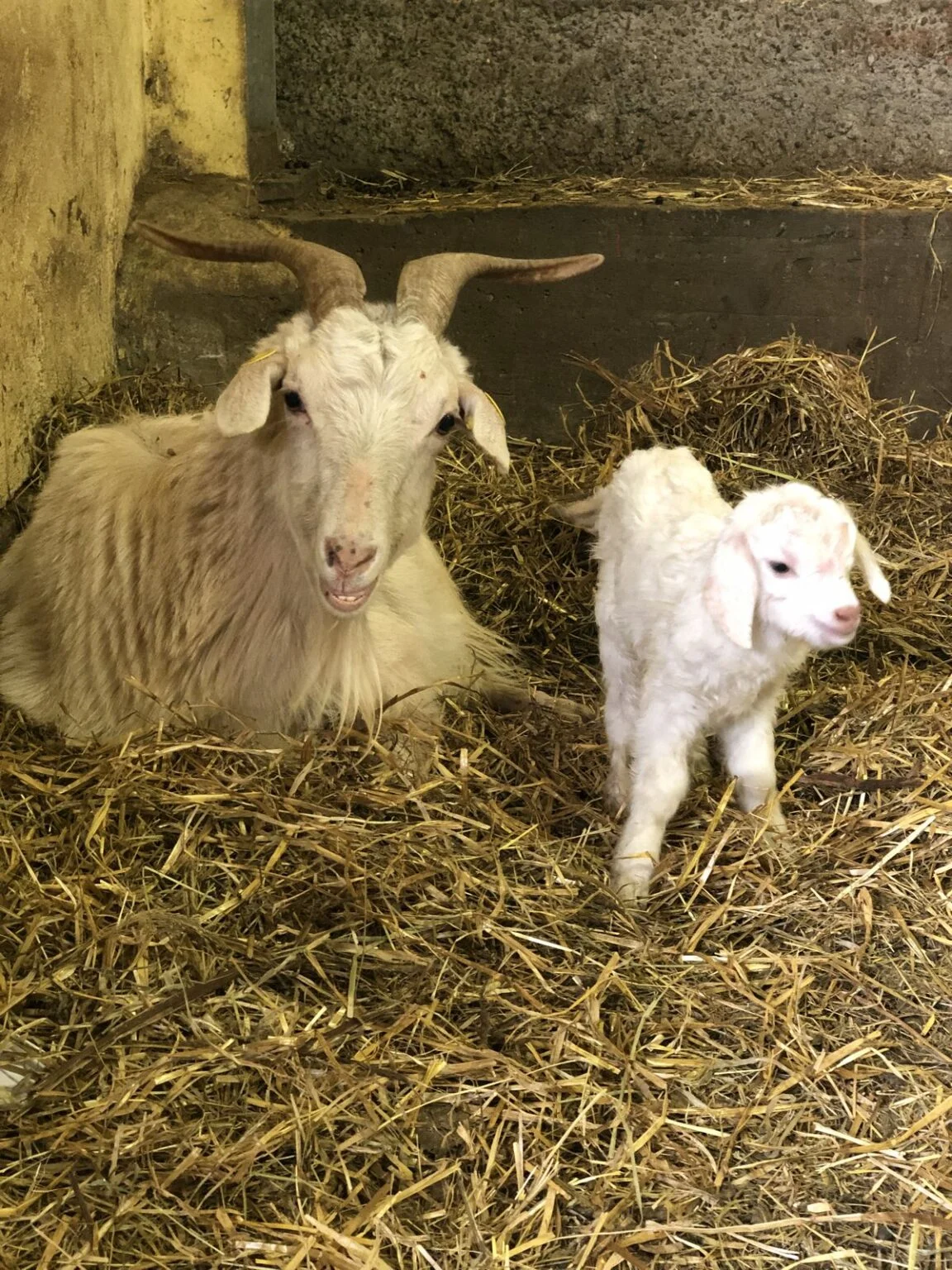
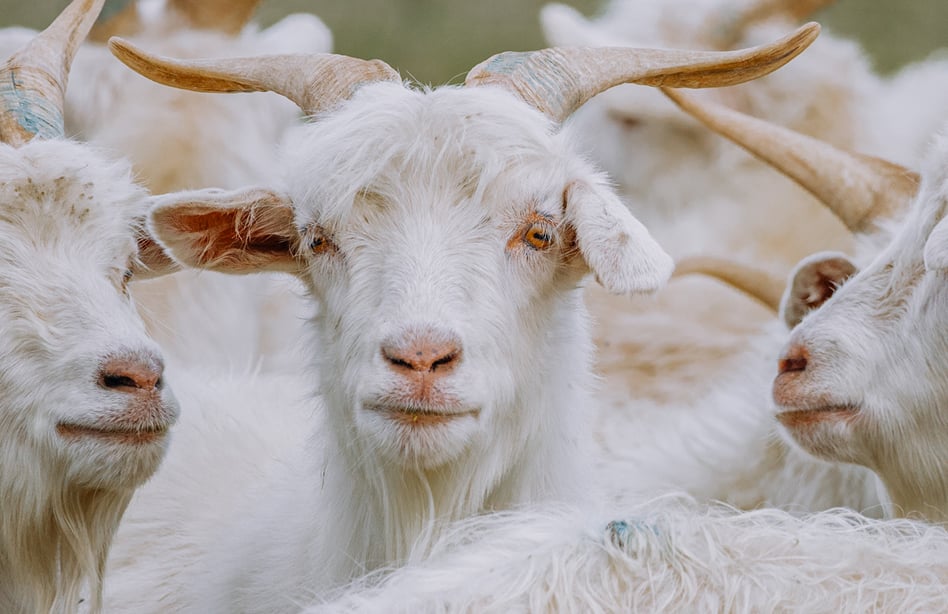
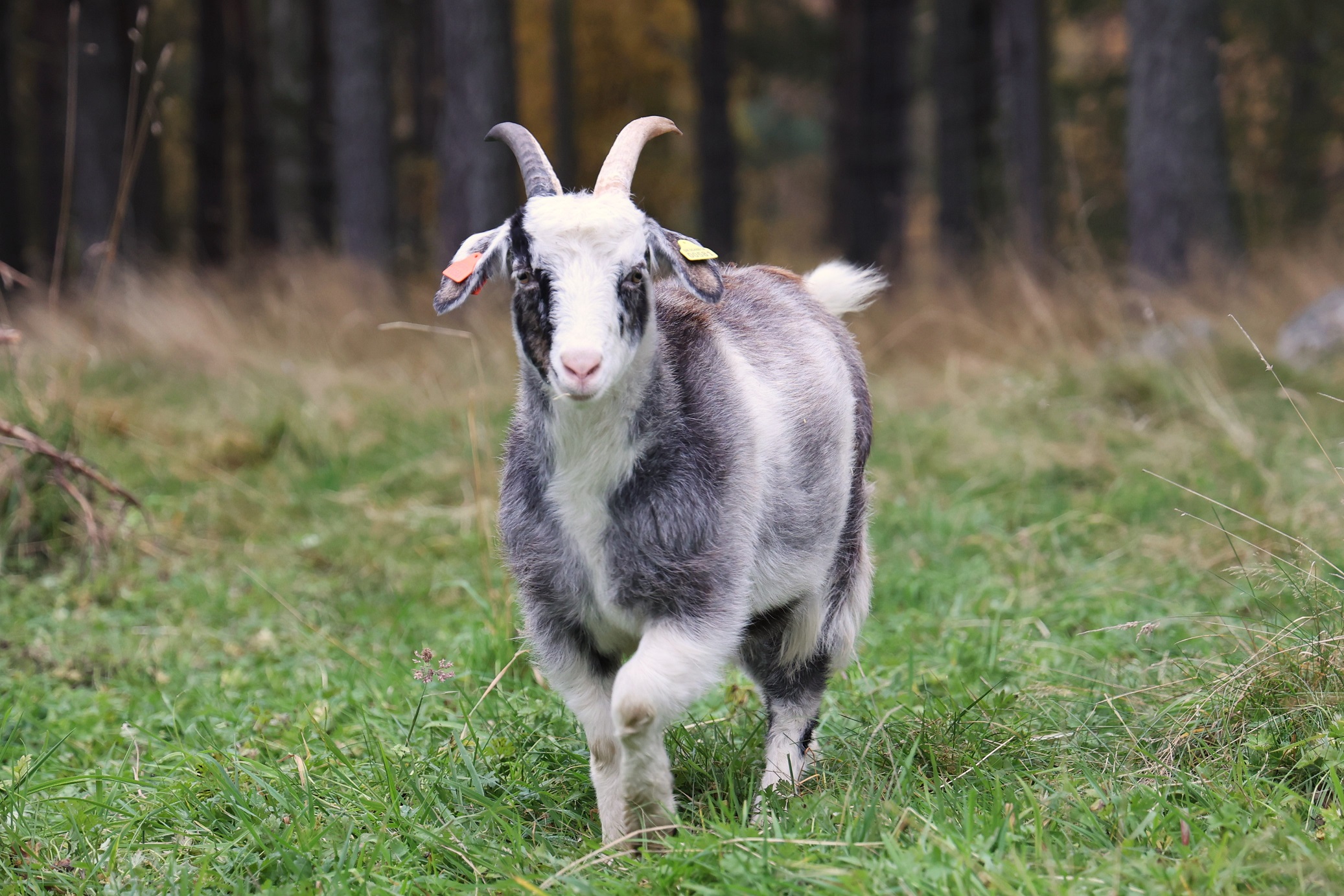
Appearance: They vary greatly in appearance depending on the breed. Generally, they are medium-sized, agile goats. In winter, they appear fluffy as their cashmere undercoat grows in. In spring, after molting or shearing, they look sleeker with their coarse guard hair layer.
-
Size: A mature cashmere goat typically weighs between 80 and 150 pounds, with males (bucks) being larger than females (does). They are smaller and more agile than meat or dairy-focused breeds like the Boer or Saanen.
-
Temperament: They are generally active, curious, and hardy. They are excellent foragers and can thrive on marginal land, making them a sustainable choice for land management. They are not typically as docile as some dairy breeds but can become quite friendly with regular handling.
-
Hardiness: Originating from harsh, mountainous environments, they are incredibly resilient and adaptable to various U.S. climates, from the cold winters of the Northeast to the drier conditions of the West.
The Truth About Cashmere: Origin, Harvesting, and Ethics
One of the most critical questions for modern consumers and farmers is, “are goats killed for cashmere?” This query has a high search volume and low difficulty, indicating a significant information gap that we can fill with authoritative, ethical information.
Where Does Cashmere Come From?
The origins of cashmere are steeped in history. Most of the world’s cashmere comes from the vast steppes of Asia. Specifically, the Mongolian cashmere goat is the most famous producer, with herders in Mongolia and China raising large herds in extreme conditions. Other significant populations include the Australian cashmere goat, developed from feral goat populations with select breeding for cashmere traits, and the Changthangi goat in the Kashmir region, which produces the finest pashmina.
Is Cashmere Harvesting Humane? Debunking the Myth
The answer to “does cashmere come from goats” is yes, and the follow-up question is almost always about animal welfare. The short answer is: No, goats are not killed for their cashmere. Cashmere is a renewable fiber, much like wool.
The harvesting process is typically humane and occurs in the spring when goats naturally begin to shed their winter coats.
-
Combing: The traditional and most common method is combing. The herder uses a wide-toothed comb to gently remove the soft undercoat as it loosens. This process does not harm the goat and is akin to brushing a pet.
-
Shearing: Some farmers choose to shear their goats. This is also a humane practice when done by experienced shearers, similar to sheep shearing.
The concern about animal cruelty usually stems from broader issues in intensive farming, not the harvesting process itself. At OrderLivestock, we mandate that all our sellers adhere to high animal welfare standards, ensuring their goats are healthy, well-fed, and humanely managed. We champion humane cashmere practices.
Cashmere Goat Breeds and Varieties
While any goat with the right fiber genetics can be called a cashmere goat, several distinct breed populations are recognized.
-
Australian Cashmere Goat: Developed in the 1970s from feral goats, this is a breed specifically selected for cashmere production. They are known for their hardiness, good fertility, and quality fiber. An Australian cashmere goat is an excellent choice for a breeding program focused on fiber.
-
Mongolian Cashmere Goat: The world’s leading producer of cashmere. These goats are incredibly hardy, surviving extreme temperature swings. They are smaller and produce a high-quality, fine fiber, though often in smaller quantities per animal than improved Western breeds.
-
American Cashmere Goat: This is not a single, formally recognized breed but a population of goats in North America selected over generations for cashmere production. Breeders are working towards a standardized type. They are often crossbred from Angora, Spanish, and other hardy breeds.
-
Cashmere Goat vs. Angora Goat: This is a common point of confusion. Angora goats produce mohair, which is a long, lustrous fiber that is different from cashmere. Mohair is a hair fiber, while cashmere is a down fiber. Both are luxurious but have different textures and uses.
Why Buy Your Cashmere Goat from OrderLivestock?
At OrderLivestock.com, we provide a trusted platform that connects you with vetted breeders, ensuring you get a healthy animal with a proven genetic background for fiber production. We address the “how to buy a cashmere goat” question with a secure, transparent process.
Transparent Pricing on Cashmere Goats
The cashmere goat price is an investment in your farm’s future. The cost varies based on several key factors, which we help you understand. For the direct query “how much does a cashmere goat cost“, here is a detailed breakdown.
| Factor Influencing Price | Price Range Impact | Why It Matters |
|---|---|---|
| Age | Kids (under 1 year): $300 – $800 | Kids are more affordable but require a year to mature before you can harvest fiber or breed them. |
| Gender | Does (Females): $500 – $1,500+ | Does are the foundation of your breeding program and fiber production. Proven breeders command higher prices. |
| Fiber Quality | Bucks (Males): $400 – $1,200+ | Superior genetics for fiber fineness (<16 microns) and quantity significantly increase an animal’s value. |
| Pedigree & Registration | Registered/Paper Stock: Premium pricing | Animals from documented lines with known fiber production history are a safer, more valuable investment. |
| Breed Type | Australian/Mongolian lines: Varies | Purebred or high-percentage animals from established genetic lines (like Australian) are often priced higher. |
To answer “how much is a cashmere goat” directly: you can expect to invest between $400 and $1,500+ for a quality animal suitable for starting or improving a fiber herd in the United States. Remember, the cost of the animal is just the beginning; their value in annual fiber production makes them a long-term asset.
Uncompromising Livestock Health & Inspection Standards
Your investment deserves protection. All cashmere goats for sale on OrderLivestock come from sellers who must meet our health and welfare standards. This includes:
-
Current veterinary health certificates for interstate transport.
-
Up-to-date vaccinations and parasite control programs.
-
Documentation of fiber quality and production history, where available.
-
Compliance with all state and federal regulations for livestock sales.
We ensure you are buying a healthy animal, not just a “soft goat cashmere” brand name.
Nationwide Shipping and Logistics
Finding the right genetics shouldn’t be limited by geography. Our platform facilitates the purchase and safe transport of cashmere goats across the United States.
-
Specialized Transport: We partner with livestock shippers experienced in handling goats, ensuring low-stress transport.
-
Nationwide Reach: Whether you are looking for cashmere goats for sale in texas, california, or maine, our network of sellers and shippers can make it happen.
-
Full Support: We guide you through the logistics, from coordinating pickup to understanding arrival timelines.
Commercial and Fiber-Production Focus
Are you looking to move beyond a hobby and into serious fiber production? OrderLivestock supports commercial buyers.
-
Bulk Purchases: We facilitate the sale of multiple animals for herd building.
-
Genetic Selection: We can help you connect with breeders who specialize in specific traits like high yield, ultrafine fiber, or specific bloodlines (e.g., Australian cashmere goat lines).
-
Ongoing Support: Our platform provides a space to connect with other breeders and experts in the field.
How to Order a Cashmere Goat Online:
Purchasing a live animal online is simple and secure with OrderLivestock. Here’s how to find your perfect cashmere goat:
-
Search and Filter: Use our advanced search to find available cashmere goats. Filter by location (e.g., cashmere goats for sale near me), price, age, and gender.
-
Review Listings: Each listing includes detailed information, photos, and often fiber test results. Review the animal’s pedigree and health records.
-
Connect with the Breeder: Use our secure messaging system to ask questions. Inquire about the goat’s temperament, the quality of its fiber, and its parents.
-
Secure Your Purchase: Our integrated payment platform protects your funds until the transaction is successfully completed.
-
Arrange Transport: Work with the seller and our recommended transport partners to schedule safe and humane delivery to your farm.
-
Welcome Your New Herd Member: Quarantine the new animal as per best practices and begin your journey into cashmere production.
Frequently Asked Questions About Cashmere Goats
1. What is a cashmere goat?
A cashmere goat is not a single breed but any goat that produces a fine, soft undercoat known as cashmere. This fiber, which grows under the coarser guard hair, is less than 18.5 microns in diameter and is harvested annually to create luxurious textiles.
2. Does cashmere come from goats?
Yes, genuine cashmere fiber comes exclusively from cashmere goats. While other animals like rabbits (angora) and sheep (merino) produce other types of fine fiber, true cashmere is the downy undercoat of the Capra hircus species, specifically breeds like the Mongolian, Australian, and American cashmere goat.
3. Are goats killed for cashmere?
No, goats are not killed for their cashmere. Cashmere is a renewable fiber harvested humanely in the spring when goats naturally shed their winter coats. The fiber is collected by combing or shearing, which does not harm the animal and is essential for its comfort in warmer weather.
4. How is cashmere harvested from goats?
Cashmere is harvested once a year in spring. The most common method is combing, where a herder uses a special rake to gently remove the loose undercoat. This process is painless and takes advantage of the goat’s natural molting cycle. Shearing is also practiced and is humane when done correctly.
5. How much does a cashmere goat cost?
The price of a cashmere goat in the U.S. typically ranges from $400 to $1,500 or more. Factors influencing price include age, gender (does are often more valuable for breeding), fiber quality (fineness and quantity), and pedigree. Proven breeding stock with excellent fiber genetics commands the highest prices.
6. Where do cashmere goats live?
Cashmere goats originated in the harsh, high-altitude regions of Asia, including Mongolia, Iran, and the Kashmir region. They are incredibly hardy and adaptable. Today, they are successfully raised on farms across the United States, from the cold climates of the Northeast to the drier pastures of Texas and California.
7. How much cashmere does one goat produce?
A single cashmere goat produces a relatively small amount of fiber annually. On average, one goat yields between 4 and 8 ounces (113 to 226 grams) of dehaired, usable cashmere. This is why cashmere is so valuable; it takes the fiber from several goats to make one sweater.
8. How long do cashmere goats live?
With good care, nutrition, and protection from predators, a cashmere goat has a typical lifespan of 10 to 12 years. They remain productive for fiber for most of their lives, with quality often peaking in their prime years.
9. What do cashmere goats eat?
Cashmere goats are excellent browsers and grazers. Their diet consists mainly of grass, weeds, leaves, and brush. They thrive on high-quality forage and require mineral supplements, particularly copper and selenium, which are vital for their health and fiber quality.
10. Are cashmere goats profitable?
Raising cashmere goats can be profitable, but it requires careful management. Profitability depends on factors like herd size, fiber quality, market prices for raw fiber, and diversification into breeding stock sales. They offer the added benefit of sustainable land clearing, reducing feed costs.
Conclusion: Invest in the Luxury of Cashmere Goats
The cashmere goat offers a unique opportunity for American farmers. They combine the romance of a luxury product with the practicality of hardy, low-impact livestock. By choosing to raise cashmere goats, you are investing in a sustainable agricultural model that produces one of the world’s most coveted natural fibers.
At OrderLivestock.com, we are your partner in this journey. We provide the platform, the vetted sellers, and the information you need to make a confident and successful purchase. Don’t just search for “cashmere goats“—find the foundation of your future fiber flock with us.
Find Your Cashmere Goat Today
Browse our listings of cashmere goats for sale in the U.S. from trusted breeders. Secure, simple, and humane.
| TYPE | BUCK, DOE, KID |
|---|
Be the first to review “cashmere goats for sale”
Related products
Goats for Sale
Goats for Sale
Goats for Sale
Goats for Sale
Goats for Sale
Goats for Sale
Goats for Sale
Reviews
There are no reviews yet.