 Skip to content
Uncategorized
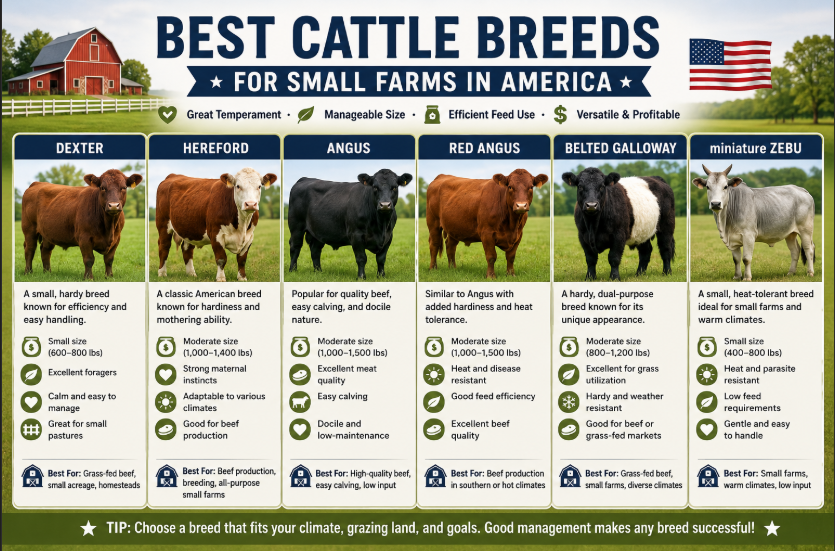
Best Cattle Breeds for Small Farms in America
Jun
Finding the right cow: breeds that fit small American farms
Picking cattle for a small farm is more art than checklist. A good match depends on space, goals, climate, and how you like to handle animals, not just an internet list of popular names. This article walks through practical considerations and profiles breeds that perform well on modest acreage across the United States.
You’ll find beef cattle breeds and dual-purpose types. You’ll also get beginner advice and real-world notes from years with small herds. Whether you want a few animals for family meat, a small dairy, or low-input pasture stock, this guide helps you choose. It aims to make life simpler and more rewarding.
Why breed choice matters more on a small farm
On a large ranch, you can absorb inefficiencies with scale. On a small farm, every animal has an outsized impact on feed costs, pasture health, and your daily routine. A breed that needs special handling, high inputs, or large paddocks quickly reveals itself as a poor fit when acreage is limited.
Temperament, feed conversion, calving ease, and mature size are high-priority considerations for small farm cattle. A docile cow that calves easily and converts forage efficiently will save you time and stress. These traits matter whether your interest is beef, milk, or simply a small, sustainable herd.
Genetics also affect long-term goals like crossbreeding and conservation. Choosing the right parent stock now shapes the quality and resilience of your herd for years. Thoughtful selection is both a short-term convenience and a long-term investment.
Key considerations before you buy
Clarify purpose first: are you raising for beef, milk, breeding stock, or pasture management? The breed that makes sense for beef production might not be the best for a small-scale dairy setup. Defining the primary objective narrows the field quickly.
Space and fencing play a major role. Some breeds tolerate crowding and confinement better than others, while others need room to graze and exercise. Small farm cattle should be manageable with the fencing and handling facilities you have on hand.
Space, pasture quality, and stocking density
Calculate carrying capacity before buying animals. A rule of thumb is one cow-calf pair per 1.5 to 2.5 acres of decent pasture. Soil, rainfall, and forage management can change that number a lot. Small farms often require breeds that do well on lower-quality forage to prevent overgrazing.
Rotational grazing and multi-species pasture mixes can stretch limited acreage. But breed choice still affects how well your system stays balanced. Hardy, efficient grazers reduce supplemental feed needs and keep pastures healthier over time.
Purpose: meat, milk, or multi-use
Many small farmers want flexibility. Dual-purpose breeds provide both milk and beef, which can be attractive on limited acreage. However, specialized beef breeds may reach market weight faster or produce more desirable carcasses for direct sales.
If you plan to sell niche products like grass-finished beef, raw milk, or small-batch dairy, pick breeds proven in that market. Some livestock breeds command higher prices for their meat or milk, which offsets smaller herd size.
Temperament and handling
Calm animals make chores faster and safer. For newcomers, “cattle for beginners” should include breeds known for docility and cooperative behavior. Nervous or flighty cattle demand better facilities and more experienced handlers.
Temperament also influences training. Breeds that respond well to low-stress handling allow you to manage handling chores with simple equipment. That lowers capital costs and reduces the learning curve for new livestock keepers.
Climate and regional adaptation
Some breeds thrive in harsh northern winters while others shine in southern heat. Adaptation to local pests, parasites, and forage types is essential. A breed that needs shade and fans in a hot, humid climate becomes a poor choice for southern small farms.
Consider hair coat, fat distribution, and historical origins. Cattle bred in cool, wet climates usually handle snow and wind better. Cattle from arid or tropical regions are often more heat tolerant and parasite resistant.
Health, maintenance, and veterinary needs
Low-input breeds reduce veterinary bills and labor. Look for documented calving ease, fertility, and resistance to common issues like pinkeye or foot problems. Small farm cattle that require frequent medical attention are expensive in time and money.
Ask breeders about common health problems in their lines and request calving histories for cows you might buy. Buying from reputable sources and starting with younger, well-handled animals lowers risk for beginners.
Top breeds that fit small farms in America
This section profiles breeds that consistently perform well for modest-sized operations. Some are compact by nature, others are efficient foragers or low-maintenance keepers. Each profile highlights why the breed is a practical option for small acreage.
Angus (Black Angus)
Angus cattle are one of the most popular beef breeds in the United States. This is due to their meat quality and strong maternal traits. They tend to be moderate in mature size, which helps small farms manage feed and space requirements while still producing high-quality beef.
Temperament varies by bloodline, but many Angus herds show reasonable docility and strong maternal instincts. Angus also cross well with other breeds. This makes them a good choice for producers who want flexible breeding programs.
Lowline Angus
Lowline Angus are a smaller-framed version of Angus developed for beef efficiency. They offer Angus-like carcass traits with a much smaller mature size. This makes them a good fit for small farms with limited space and finishing feed.
Because they keep the good meat quality of standard Angus, Lowlines may be easier to sell directly. They also typically require less feed and pasture per head, stretching limited acreage further.
Hereford and miniature Hereford
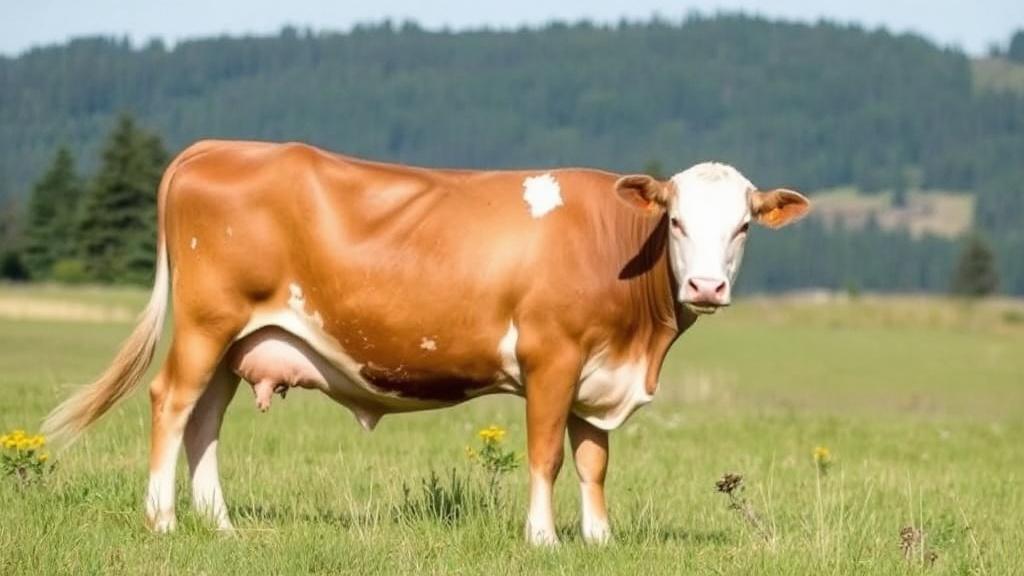
Herefords are durable, easy-keeping cattle with good foraging ability. Classic Herefords are slightly larger but well-suited to diverse climates. People often recommend them as solid, straightforward beef cattle breeds for farmers learning the ropes.
For very tight acreage, miniature Herefords offer the same pleasant temperament and maternal traits in a smaller package. Miniatures need less feed and are easier to handle.
However, buy from a reputable source. Make sure their miniature status is well documented. This helps avoid health issues linked to extreme dwarfing.
Dexter
Dexters are a true small-breed option and frequently appear on lists of best cattle breeds for small farms. They are a heritage dual-purpose breed that can produce milk and meat while weighing a fraction of larger beef breeds. Their small size makes them easy to handle and economical on limited pasture.
Because they can provide both milk and meat, Dexters appeal to homesteaders and those seeking sustainable multi-use livestock. Their calving is generally easy, and they adapt well to a variety of climates with proper shelter and parasite management.
Red Poll
Red Polls are a dual-purpose breed valued for quiet temperament and good milk production relative to their size. They are moderate in frame and convert forage well, which makes them practical on smaller acreage where efficient feed use matters.
Their docility helps with handling and calving, making Red Polls an approachable choice for cattle for beginners. They are also increasingly appreciated in small-scale beef markets for consistent meat quality.
Belted Galloway
Belted Galloways, with their distinct white “belt,” are hardy, low-input cattle from Scotland. They do well on marginal pastures.
They thrive on rough forage. They need less extra feed than many commercial breeds. This helps small farms with uneven pasture quality.
Their hair coat and hardiness make them good in cooler climates, and they produce well-marbled beef. Belted Galloways are unique, which helps niche marketing. Consumers notice their look and flavor, helping direct-sales farms.
Scottish Highland
Highland cattle are famous for extreme hardiness and long hair that protects them from wind and cold. They are lean and efficient foragers, often used on small farms in northern states to manage rough grazing and brush. Their rustic nature makes them forgiving in low-input systems.
Temperament varies but many Highland herds are manageable with simple handling practices. Their smaller size than commercial beef breeds and their low feed needs make them practical for sustainable, small-scale beef production.
Shorthorn
Shorthorns are a versatile breed used for beef and dairy. In the past, they served both roles.
Today, some lines are specialized, while others remain dual-purpose. They are usually good-tempered and fertile. This makes them suitable for small farms and mixed-purpose enterprises.
Shorthorns adapt well to pasture systems and often excel in crossbreeding programs to boost maternal traits and carcass value. Their moderate size and reliable calving records make them attractive to new livestock keepers.
Jersey (for small dairies)
For small dairy operations, Jerseys are a top choice. They produce milk with high butterfat and protein. This milk is ideal for cheesemaking and value-added dairy products. They are smaller than Holsteins, so they fit better on limited acreage and require less feed per cow.
Jerseys are often calm and easy to handle. They can be a good choice for beginners starting raw-milk or farmstead dairy. Be mindful of management demands: dairy animals require daily milking, careful nutrition, and strong hygiene practices.
Brahman crosses (heat-tolerant options)
In hot, humid regions, pure Brahman or Brahman crosses often do better than temperate breeds. This is because of heat tolerance and parasite resistance. Full Brahmans are large and can have tougher temperaments, but selected Brahman crosses often balance hardiness and better docility.
On southern small farms where heat stress and ticks are common, Brahman-influenced cattle can lower veterinary costs and maintain weight on grazed forage. They are particularly useful when your goal is low-input beef production in a warm climate.
Comparative snapshot: practical breed traits
The table below summarizes typical traits for the breeds covered. Remember that within-breed variation exists, so use these descriptions as general guidance rather than absolute rules.
BreedMature size (approx.)Primary Purpose | Size | Use | Temperament | Climate suitability
Angus | Medium (1,000–1,400 lb) | Beef | Generally docile | Temperate, widespread.
Lowline Angus | Small-medium (700–1,000 lb) | Beef | Docile | Temperate.
Hereford | Medium (1,000–1,600 lb) | Beef | Docile | Broad.
Dexter | Small (500–700 lb) | Dual-purpose | Friendly | Broad.
Red Poll | Medium (900–1,200 lb) | Dual-purpose | Calm | Temperate.
Belted Galloway | Medium (900–1,300 lb) | Beef | Calm | Cool, wet.
Highland | Medium (900–1,200 lb) | Beef | Docile | Cold-hardy.
Shorthorn | Medium (1,000–1,600 lb) | Dual-purpose | Gentle | Broad.
Jersey | Small-medium (800–1,100 lb) | Dairy | Friendly | Temperate.
Brahman crosses | Medium-large (varies) | Beef | Varies | Hot, humid
Buying tips and practical steps for beginners
Start small and plan for a slow build. For new small farm owners, buying one or two cows and a bull is a big commitment. Consider starting with a cow-calf pair or two cows. Use AI or contract breeding if you do not want a bull on-site. This reduces risk and lets you learn handling and pasture management gradually.
Buy from reputable breeders or established small farms, and inspect animals in person if possible. Check health records, vaccination history, and ask about calving experience. Healthy maternal lines with documented ease of calving are an invaluable asset for a beginner herd.
Checklist before purchasing
- Define primary goal: beef, dairy, or dual-purpose.
- Confirm pasture carrying capacity and fencing adequacy.
- Inspect animal temperament and physical condition.
- Request health and breeding records from the seller.
- Plan for quarantine of new animals.
Quarantining new stock for at least 2–3 weeks prevents introducing disease into your existing animals. Use that period to observe behavior, confirm parasite control, and ensure vaccinations are current. It’s a small step that pays big dividends in herd health.
Feeding and pasture strategies for small herds
Feed budgeting is different on a small farm. You can’t rely on economies of scale.
Choose breeds that convert forage well and stay in good condition on pasture. This will save money. Plan for seasonal feed gaps and keep a modest hay reserve for winter or drought years.
Rotational grazing can significantly increase carrying capacity and pasture health. Pairing cattle with other species, like sheep or goats, can improve forage use.
When done with care, it can also reduce parasite loads. The right breed complements these systems instead of undoing them with heavy grazing pressure.
Supplements and finishing on small farms
Decide early whether you will finish cattle on grass or use a grain supplement. Some beef cattle breeds finish well on pasture with minimal input, especially heritage and hardy breeds. Others reach better carcass grades with grain finishing. Your market and personal goals should guide this decision.
Small direct-market producers often find value in grass-finished or pasture-raised labels, which can bring higher prices. Choosing breeds that marble well and perform on forage helps you deliver consistent product without extensive feedlot-style inputs.
Handling, facilities, and safety
Good facilities make breed management easier. A solid squeeze chute, safe handling lanes, and proper fencing will keep both you and your animals safer. Choose cattle with temperaments that match your facility standards; nervous cattle need more secure handling setups.
For tiny farms, portable handling systems can be a smart investment. They allow you to bring handling to the animal rather than moving animals through multiple pastures. Combined with calm, trained cattle, these systems reduce stress on both sides of the fence.
Breeding strategies and herd growth
Consider whether you want to keep a bull or use artificial insemination (AI). For many small farms, AI or lease-bull plans reduce the need for a permanent bull and related handling risks. The trade-off is additional planning and possibly higher upfront costs for genetics.
Crossbreeding can improve hybrid vigor, disease resistance, and growth rates. Pairing a maternal, easy-calving breed with a terminal sire that produces desirable carcasses is a common strategy. Many small farms use this approach for beef production. Document keeping and selective culling will refine your herd over seasons.
Marketing and niche opportunities
Small farm producers often succeed by targeting local, premium markets for pasture-raised beef or farmstead dairy products. Breed choice can support your brand. Unusual breeds like Belted Galloway or Highland can draw customers. They may pay more for heritage meat.
Direct customer relationships—farmers markets, subscription boxes, or on-farm sales—reward consistency. They also reward sharing the story behind your livestock breeds. High-quality photos, transparent handling practices, and clear labeling about finish methods and welfare can set your products apart.
Real-life example: a small farm trial
On a 12-acre farm where I consulted, the owner replaced a pair of large commercial steers with three Dexters and one Lowline Angus. They reported lower winter feed bills, easier handling, and quicker turnover in the cooler months. The smaller animals fit barns and trailers they already had, eliminating costly facility upgrades.
We also tested rotational grazing with the new herd, which improved pasture rest and reduced worm burdens. Sales were strong at local farmers markets. Customers enjoyed the flavor and the story of low-input, humane production. Small changes like breed selection compounded into better economic and lifestyle outcomes.
Common mistakes to avoid
Buying cattle based on looks or price alone is a frequent error. Cheap animals with unknown genetics or poor health histories end up costing more over time. Prioritize temperament, documented health, and calving records instead of chasing bargains.
A second mistake is underestimating labor and facilities. Even small herds require routine checks, parasite control, and infrastructure. Match breed choice to the time and capital you can realistically commit.
Resources and where to learn more
Breed associations offer local advice on livestock breeds that do well near you. Local extension offices can also help. Regional farmer groups may offer guidance too. Visit local farms, attend open days, and ask to see animals in their typical management environment before buying.
Books on small-scale cattle management and online forums can be useful. Balance that information with local, hands-on guidance. Weather patterns, forage species, and veterinary access vary by region, so the best advice is practical and local.
Final checklist before bringing animals home
- Confirm pasture allocation and rotation plan.
- Prepare quarantine area and gather health supplies.
- Arrange handling equipment and an emergency plan for calving.
- Verify transport arrangements and necessary paperwork.
- Have a marketing or use plan for offspring and meat products.
These steps help you move from excitement to reliable day-to-day management. They also reduce the surprises that new small-scale cattle keepers frequently face in their first season.
Choosing the best cattle breeds for small farms in America is about matching animals to your life. Production numbers also play a role. Choose breeds that fit your climate, pasture, and goals.
You will save time, money, and stress.
You will also build a herd that supports a sustainable small farm lifestyle.

