 Skip to content
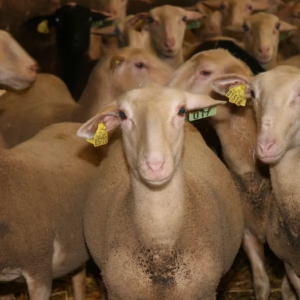
Lacaune sheep
Price range: $120.00 through $300.00
Lacaune Sheep for Sale – Famous for their rich, high-quality milk and proven dairy performance, Lacaune sheep are ideal for cheese production and specialty dairies. Hardy, efficient, and productive, they combine excellent udder health with strong reproductive rates. Limited breeding stock available — contact us to secure yours today!
The Lacaune Sheep: Ultimate Guide to Breed, Milk Production, and Purchase in the U.S.
Introduction: The Engine of the French Dairy Industry
The Lacaune sheep is a breed that has quietly shaped one of the world’s most famous culinary traditions. As the exclusive source of milk for the legendary Roquefort cheese, the Lacaune is the backbone of the French dairy sheep industry, renowned for its exceptional milk production, hardiness, and adaptability. While still a rare and specialized breed in the United States, the Lacaune represents a significant opportunity for American farmers looking to enter the lucrative sheep dairy market or improve the productivity of their existing dairy flocks. At OrderLivestock.com, we connect forward-thinking producers with top breeders, offering a secure and transparent platform to find quality Lacaune sheep for sale. Whether you are a commercial dairy farmer, an artisan cheesemaker, or a homesteader intrigued by the potential of sheep milk, this comprehensive guide will cover everything you need to know, from their French origin and unique characteristics to their impressive milk yield and how to make a confident, high-value purchase.
What is a Lacaune Sheep? Defining the Breed Standard
The Lacaune sheep breed is a medium to large-sized breed of domestic sheep, developed in the Lacaune region of southern France. They are, without question, one of the world’s most specialized and productive dairy breeds. Over centuries of selective breeding, they have been honed for a single purpose: the efficient production of high-quality milk suitable for cheesemaking. They are the cornerstone of the French Roquefort appellation d’origine contrôlée (AOC) system, meaning the cheese bearing that name can only be made from the milk of Lacaune sheep raised in a specific region.
Key Characteristics of Lacaune Sheep
Understanding the lacaune sheep characteristics is essential for any potential buyer. These traits directly impact their performance and value in a dairy operation.
-
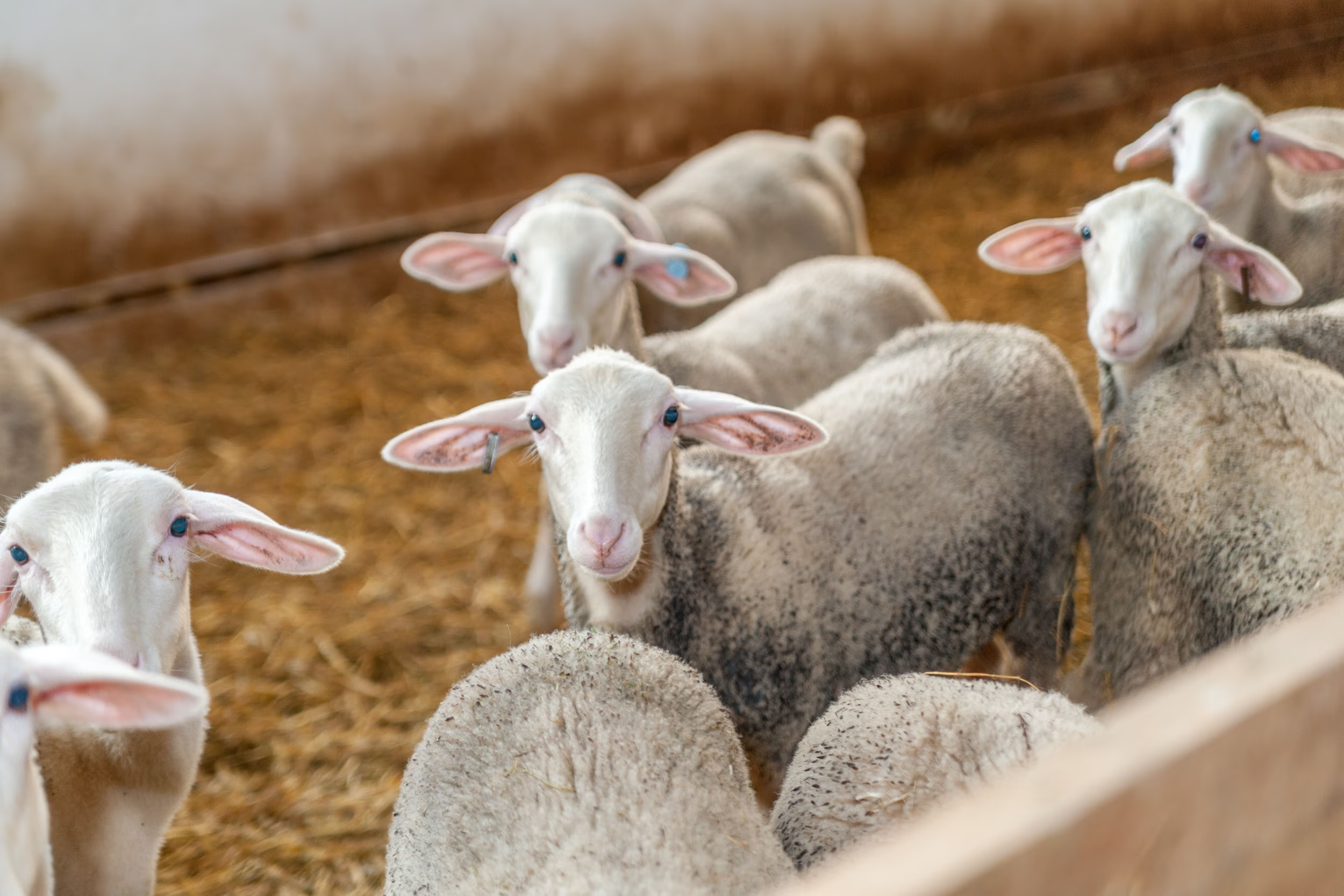
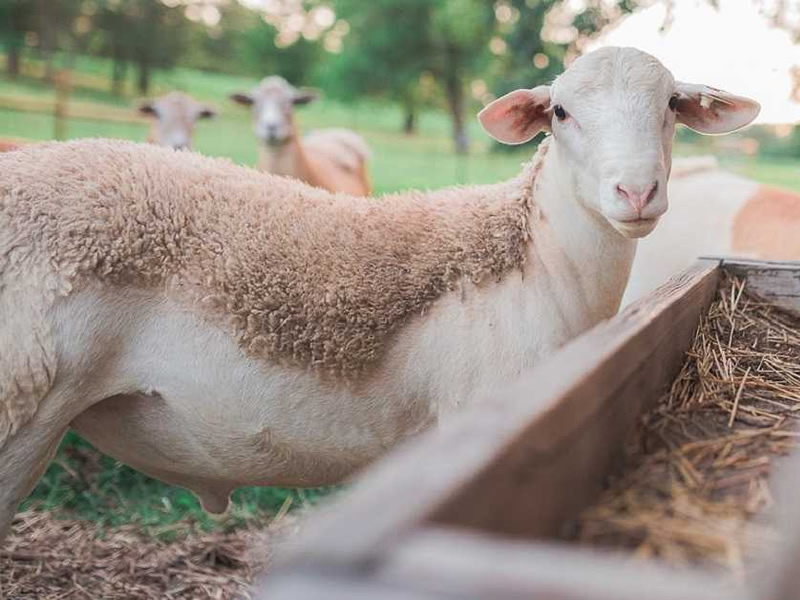
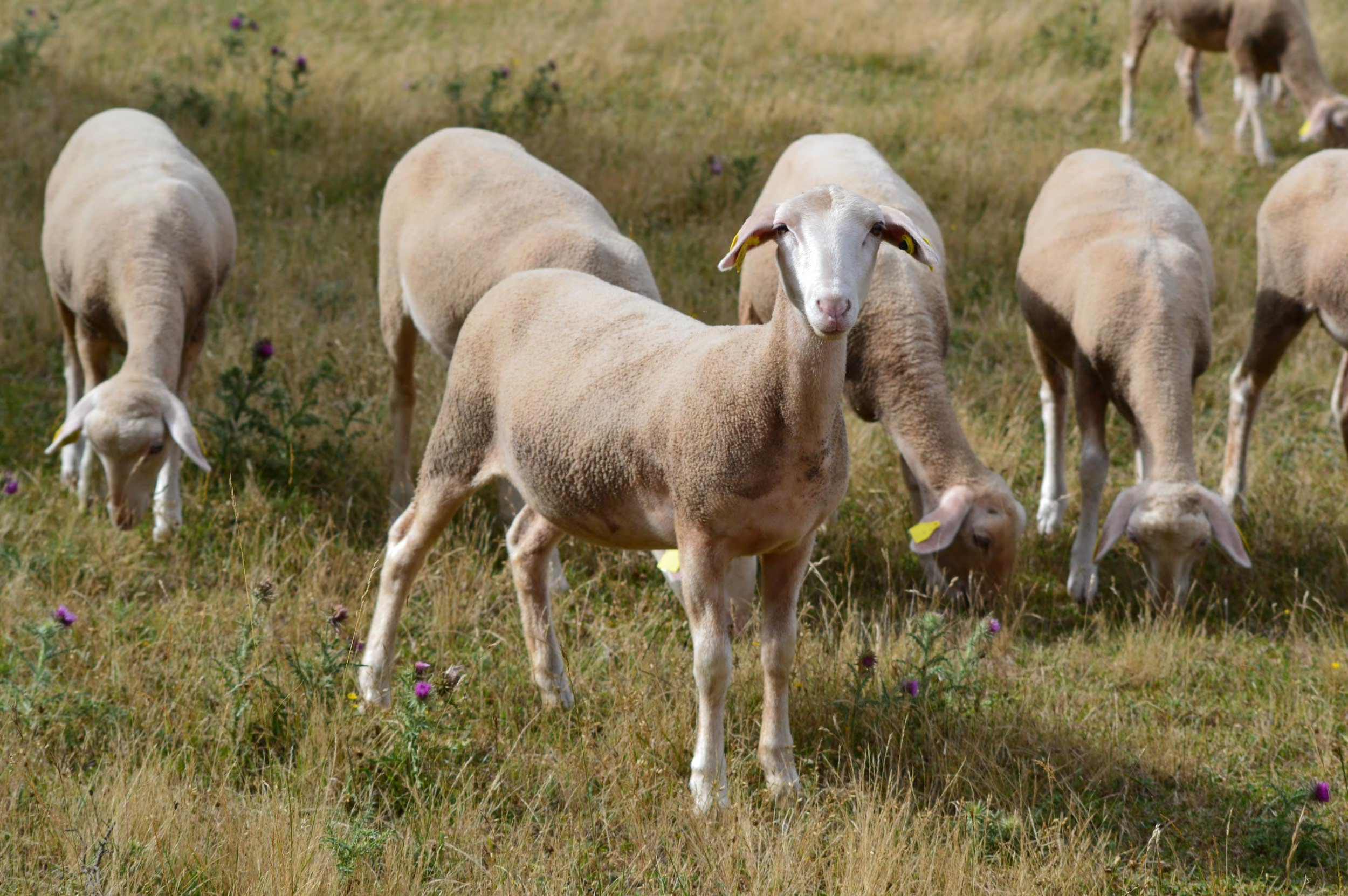
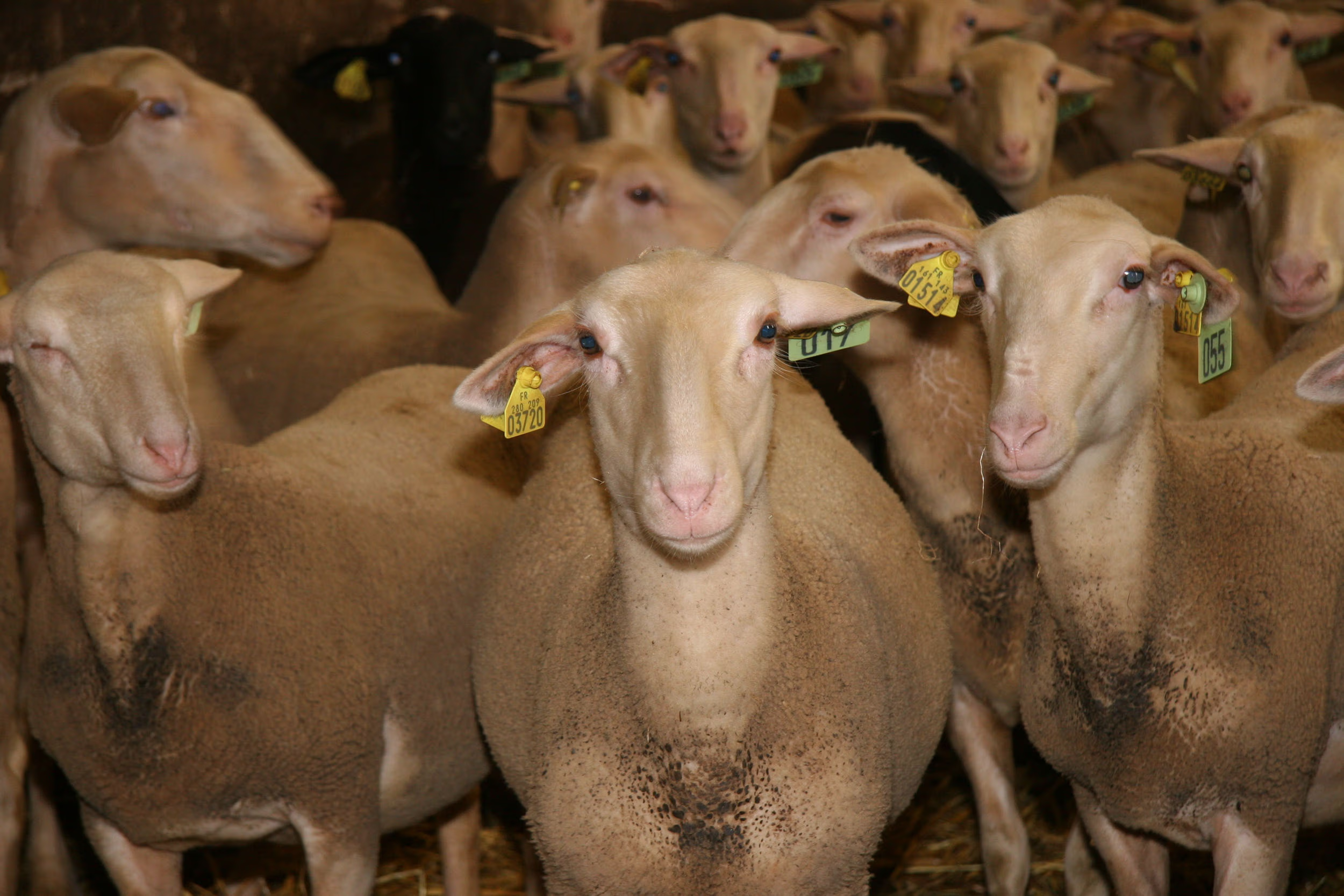
Appearance: Lacaune sheep have a distinctive appearance. They are typically white-wooled with a characteristic “pink nose” and blue-grayish skin pigmentation around the eyes, muzzle, and udder, which provides protection against solar radiation. They have a medium-long, thin tail and are polled (hornless) in both sexes.
-
Size and Weight: The lacaune sheep size is substantial. Mature ewes typically weigh between 130 and 170 pounds, while mature rams can weigh between 200 and 250 pounds. This robust frame supports their high milk production.
-
Temperament: They are known for their docile temperament and strong flocking instinct, making them well-suited for intensive managed grazing systems.
-
Milk Production: This is the breed’s defining feature. A Lacaune ewe in a well-managed dairy system can produce between 600 and 1,000 pounds (70 to 115 gallons) of milk per lactation. Their milk is prized for its high solids content, including butterfat (typically 6-8%) and protein, making it exceptionally well-suited for cheese production.
The French Connection: Origin and the Roquefort Tradition
To answer the frequent query “where did lacaune sheep originate,” their story is deeply intertwined with the history of Roquefort cheese. The breed was developed in the harsh, mountainous terrain of the Lacaune region in southern France. For generations, local farmers selected their sheep for hardiness and the ability to produce rich milk from the region’s sparse pastures.
This local breed became the foundation for the world’s most famous blue cheese. Roquefort’s AOC designation legally requires that the milk used come exclusively from Lacaune sheep raised within a defined zone around the village of Roquefort-sur-Soulzon. This has driven intense selective breeding for milk production, resulting in the modern, highly productive Lacaune we know today. In recent decades, the breed’s reputation has spread, and they are now being exported to other countries, including the United States, where they are prized for their ability to elevate sheep dairy operations.
Lacaune Sheep: A Dairy Powerhouse
To answer the queries “what are lacaune sheep used for” and “are lacaune sheep good for milk,” the answer is a definitive yes. They are, first and foremost, a dairy breed, purpose-built for milk production.
Milk Production and Quality
-
Yield: A superior dairy ewe can produce 800-1,000 pounds of milk in a 200-240 day lactation.
-
Butterfat: Their milk is exceptionally rich, with a butterfat content of 6-8%, which is significantly higher than cow’s milk and ideal for creating rich, flavorful cheeses and yogurts.
-
Protein: High protein content is crucial for cheese yield, and Lacaune milk excels in this area as well.
This combination of high volume and high solids makes the Lacaune the most efficient and profitable dairy sheep breed in the world. Their milk is used not only for Roquefort but also for a variety of other artisan cheeses and dairy products.
Comparison with East Friesian
The other major dairy breed is the East Friesian. While East Friesians can have slightly higher peak milk production, Lacaune sheep are often favored for their:
-
Superior hardiness and adaptability to various climates and management systems.
-
Better udder conformation and longevity in the milking herd.
-
Higher milk solids (fat and protein), which translates to better cheese yields.
This is why many breeders seek out east friesian lacaune sheep crosses, aiming to combine the high production of the East Friesian with the hardiness and milk quality of the Lacaune.
Why Buy Your Lacaune Sheep from OrderLivestock?
At OrderLivestock.com, we provide a trusted digital marketplace that connects specialized dairy producers with the nation’s most reputable breeders of premium breeds like the Lacaune. We understand that importing or acquiring these genetics is a significant investment in your dairy’s future, and we are here to make that process transparent, secure, and data-driven.
Transparent Pricing on Lacaune Sheep
The lacaune sheep price in the U.S. reflects the breed’s rarity, specialized genetics, and import costs. To answer the query “how much does a lacaune sheep cost,” here is a detailed breakdown of the emerging U.S. market.
| Class of Sheep | Price Range (Per Head) | Key Factors Influencing Price |
|---|---|---|
| Commercial Ewe Lambs | $400 – $800 | Age, health, and source. Foundation females for a new dairy flock. |
| Registered Ewe Lambs | $600 – $1,200+ | Pedigree, documented milk production of dam and grand-dam, conformation, and breeder reputation. |
| Registered Rams | $800 – $2,500+ | Genetics, conformation, and the documented milk production and udder quality of his female relatives. Proven sires from high-producing lines command the highest prices. |
| Bred Ewes | $800 – $1,800+ | A ewe confirmed pregnant, with the value tied to her own genetics and the genetics of the sire she is bred to. |
| Embryos and Semen | Varies | Genetics from top French or U.S. bloodlines, used for artificial insemination and embryo transfer programs. |
To answer “how much are lacaune sheep” directly in the U.S. context: you can expect to invest from $400 for a commercial ewe lamb to well over $2,500 for a top-tier, registered ram from proven, high-producing dairy lines. This is a premium price for premium genetics.
Uncompromising Livestock Health & Inspection Standards
The health of your dairy flock is paramount. All lacaune sheep for sale on our platform are listed by breeders who must adhere to strict health guidelines. This includes:
-
Current negative tests for relevant diseases (e.g., OPP, CL, Johnes) as recommended by the seller or buyer.
-
Up-to-date vaccinations (e.g., CD&T) following industry-standard protocols.
-
A recent veterinary health certificate for interstate transport.
-
Clear documentation of any available registration papers or production records.
We help you buy with confidence, knowing the animal you are purchasing is healthy, well-managed, and genetically as described.
Nationwide Shipping and Logistics
Finding these specialized genetics shouldn’t be limited by geography. Our platform simplifies the logistics of getting your new dairy animals to your farm, no matter where you are in the United States.
-
Specialized Transport Network: We connect you with experienced livestock haulers who specialize in the safe, low-stress transport of sheep.
-
Nationwide Reach: Whether you are searching for lacaune sheep for sale in texas, california, wisconsin, or anywhere in between, our platform connects you with sellers and shippers who can make the delivery happen.
-
Full Transparency: We provide estimated shipping costs and timelines, so there are no surprises on your final investment.
Commercial Dairy Producers and Artisan Cheesemakers
We cater to the specific needs of the sheep dairy industry.
-
Commercial Producers: Looking to improve your flock’s milk yield and component levels? Filter our listings for Lacaune rams and ewes with documented production records.
-
Artisan Cheesemakers: Starting a new dairy and need a hardy, productive foundation flock? Find quality Lacaune breeding stock to begin your operation and produce the high-solids milk necessary for premium cheeses.
How to Order Lacaune Sheep Online: A Step-by-Step Guide
Purchasing specialized, high-value livestock online requires trust and transparency. OrderLivestock provides both. Follow these simple steps to invest in your dairy’s future.
-
Search and Filter: Use our powerful search tool to find lacaune sheep for sale. Filter by location, price, age, and gender to find the perfect match for your dairy.
-
Review the Listing: Each listing includes multiple high-quality photos, a detailed description, available health and production records, and the breeder’s background. Pay close attention to any available milk production data on the animal or its relatives.
-
Connect with the Breeder: Use our secure messaging system to ask the seller detailed questions. Inquire about the animal’s dam’s milk yield, its health protocol, and its adaptation to the local climate.
-
Secure Your Investment: Our integrated payment platform protects your funds, releasing them to the seller only after you have confirmed the safe arrival and satisfaction with your animal.
-
Arrange Transport: Work with the seller and our network of recommended livestock transporters to coordinate the safe and humane delivery of your new sheep.
-
Welcome to Your Dairy: Quarantine new arrivals as per best practices, and begin realizing the genetic potential of your new Lacaune investment.
Frequently Asked Questions About Lacaune Sheep
1. What is a Lacaune sheep?
A Lacaune sheep is a breed of domestic sheep from the Lacaune region of France. They are widely considered the world’s premier dairy sheep breed, prized for their high milk production, excellent milk solids (fat and protein), and hardiness. They are the exclusive source of milk for Roquefort cheese.
2. Where did Lacaune sheep originate?
Lacaune sheep originated in the Lacaune region of southern France. They were developed over centuries from local breeds, with intensive selection for milk production driven by the demand for milk to produce Roquefort cheese.
3. What are Lacaune sheep used for?
Lacaune sheep are used almost exclusively for dairy production. They are raised to produce high-quality, high-solids milk, which is then used to make a variety of cheeses, yogurts, and other dairy products, most famously Roquefort.
4. How much milk do Lacaune sheep produce?
A well-managed Lacaune ewe in a commercial dairy system can produce between 600 and 1,000 pounds (70 to 115 gallons) of milk per lactation. Their milk is exceptionally rich, with a butterfat content of 6-8%.
5. What cheese is made from Lacaune sheep milk?
Lacaune sheep milk is most famously used to produce Roquefort cheese, a world-renowned blue cheese from France. It is also used to make a variety of other artisan cheeses and dairy products.
6. What are the characteristics of a Lacaune sheep?
Key characteristics include a white wool coat, a distinctive “pink nose,” blue-grayish skin pigmentation around the eyes and udder, and a polled (hornless) head. They are known for their docile temperament, strong flocking instinct, and exceptional dairy conformation, including a well-attached, high-capacity udder.
7. What is the difference between Lacaune and East Friesian sheep?
Both are top dairy breeds. Lacaune are often favored for their superior hardiness, better udder conformation, and higher milk solids (fat and protein), which leads to better cheese yields. East Friesians may have slightly higher peak milk volumes but can be more delicate and have lower milk component levels.
8. How much does a Lacaune sheep cost in the U.S.?
As a rare and specialized breed in the U.S., prices are higher. Commercial ewe lambs can range from $400 to $800. Registered animals with documented production records can range from $600 for ewe lambs to $2,500 or more for top-quality rams from proven bloodlines.
9. Are Lacaune sheep hardy?
Yes, Lacaune sheep are renowned for their hardiness. They were developed in the harsh, mountainous terrain of southern France and are well-adapted to a variety of climates and management systems, from intensive dairies to extensive grazing operations.
10. Do Lacaune sheep have horns?
No, Lacaune sheep are naturally polled, meaning both ewes and rams are born without horns. This is a significant advantage for management, reducing the risk of injury to animals and handlers.
Conclusion: Invest in the Breed That Defines Sheep Dairy
The Lacaune sheep is not just a breed; it is a proven genetic engine for profitable sheep dairying. Its unparalleled combination of high milk yield, exceptional milk solids, and rugged hardiness makes it the number one choice for serious dairy producers around the world. For American farmers looking to enter or expand in this growing industry, investing in Lacaune genetics is an investment in quality, efficiency, and long-term success.
At OrderLivestock.com, we are your trusted partner in acquiring these rare and valuable genetics. We provide the platform, the connections, and the information you need to make an informed, confident, and successful purchase. Don’t just search for “lacaune sheep“—build a world-class dairy with us.
Related products
SHEEPS
SHEEPS
SHEEPS
SHEEPS

SHEEPS
SHEEPS

Reviews
There are no reviews yet.