 Skip to content
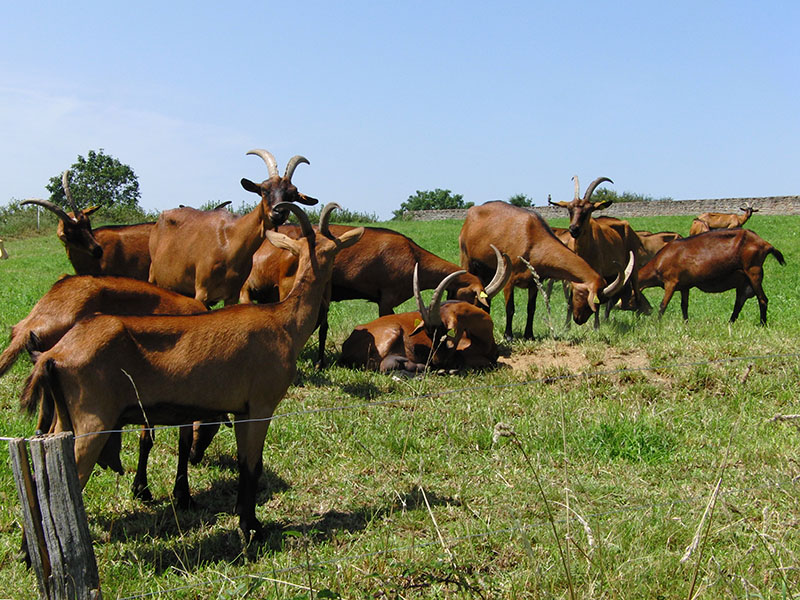
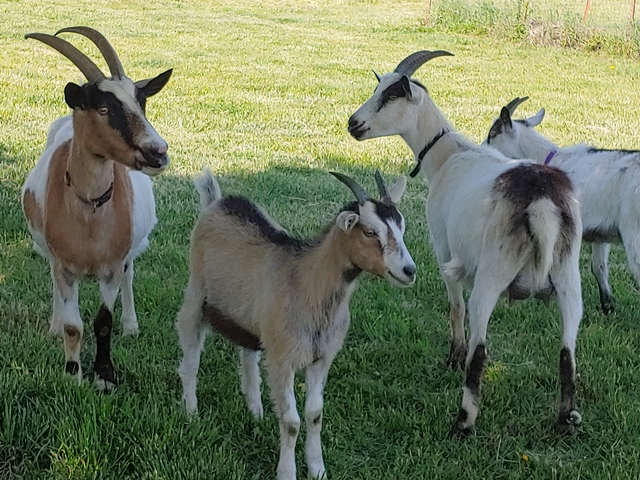
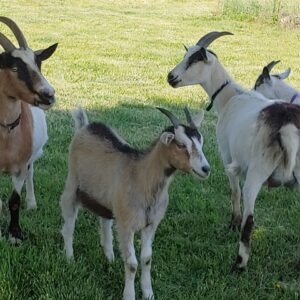
Alpine Goats for Sale
Price range: $90.00 through $300.00
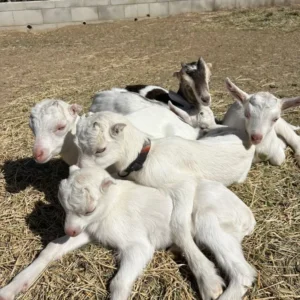
The Alpine goat is a highly productive dairy breed known for its excellent milk yield and adaptability. Originating from the French Alps, Alpine goats are hardy, alert, and thrive in various climates and management systems. They produce high-quality milk ideal for cheese, butter, and yogurt production. With their strong build and friendly temperament, Alpine goats are a popular choice for both commercial dairy farms and small homesteads.
The Alpine Goat: Ultimate Guide to Breed, Milk Production, and Purchase in the U.S.
The Elegant and Productive Dairy Goat
The Alpine goat is one of the most popular and widely recognized dairy goat breeds in the world. Known for their exceptional hardiness, adaptability, and high milk production, these goats are a favorite among commercial dairy farmers and homesteaders alike. Often referred to as the French Alpine goat due to their origins, these animals are prized not only for their productivity but also for their elegant appearance and friendly disposition. At OrderLivestock.com, we connect you with top breeders across the United States, offering a secure and transparent platform to find quality alpine goats for sale. Whether you are looking to start a dairy operation, add milkers to your homestead, or are simply captivated by this beautiful breed, this comprehensive guide will cover everything you need to know, from their rich history and unique characteristics to their daily milk yield and how to make a confident purchase.
What is an Alpine Goat? Defining the Breed Standard
The Alpine goat breed is a medium to large-sized dairy goat, renowned for its excellent milk production and ability to thrive in a variety of climates. The term “Alpine goat” in North America most commonly refers to the French Alpine, a breed developed in the French Alps. They are a resilient and robust breed, perfectly suited for both intensive management and more extensive, pasture-based systems.
Key Characteristics of the Alpine Goat
Understanding the alpine goat characteristics is essential for any potential buyer. They are a breed defined by a specific set of physical and production traits.
-
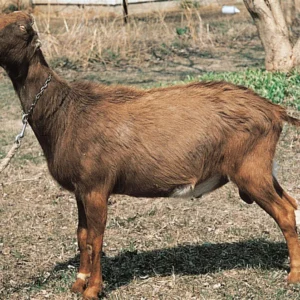
Appearance: Alpines are elegant and alert goats, with a distinctly “dairy” look—meaning they are angular and not overly fleshy. They have erect ears, a straight or slightly dished face, and a sleek coat.
-
Size and Weight: The alpine goat size is substantial. Mature does (females) typically weigh between 120 and 150 pounds, while mature bucks (males) can weigh between 170 and 200 pounds. They stand around 30 inches tall at the shoulder.
-
Temperament: They are known for being intelligent, curious, and generally friendly. They can be quite vocal and are known for their playful, social nature. They are hardy and adaptable, excelling in both hot and cold climates.
-
Productivity: The primary purpose of the Alpine goat is milk production. They are prolific milkers, with a lactation period lasting 305 days or more.
The Rich Tapestry of Alpine Goat Colors
One of the most distinctive and beautiful features of the Alpine goat is its wide range of color patterns. Unlike some breeds with a uniform color, Alpines come in a stunning variety of hues and markings. In fact, the query “alpine goat colors” is a popular search, indicating strong interest in this trait. The American Dairy Goat Association (ADGA) recognizes several distinct color patterns:
-
Cou Blanc: French for “white neck.” This pattern features a white or light-colored front half (neck and shoulders) and a colored back half.
-
Cou Clair: French for “clear neck.” This is a pattern with a light tan or straw-colored front and a darker back.
-
Cou Noir: French for “black neck.” This pattern features a black front half and a colored back half.
-
Sundgau: Named after a region in France, this pattern is characterized by a black body with white markings on the face, legs, and underbody.
-
Chamoisee: A pattern ranging from light to deep brown or red, often with a black dorsal stripe, black legs, and a black face mask.
These beautiful color variations make alpine goats not only productive but also a visually stunning addition to any farm.
The Alpine Goat: A Premier Dairy Breed
The Alpine goat is, above all, a world-class dairy animal. For anyone asking “what are alpine goats used for,” the answer is unequivocally milk production. They are the workhorses of many commercial dairies and beloved family milkers on homesteads.
Alpine Goat Milk Production
The quality and quantity of alpine goat milk are the breed’s calling cards. An average, well-bred Alpine doe can produce between 2,000 and 3,000 pounds of milk per lactation (approximately 230 to 350 gallons). Their milk has a butterfat content typically ranging from 3.0% to 3.5%, making it excellent for drinking, as well as for crafting into cheese, yogurt, and soap. To answer the direct query “how much milk does an alpine goat produce,” a good doe will average over 8 pounds (or one gallon) of milk per day at her peak.
Other Uses: Pack Goats
While their primary role is dairy, the “alpine pack goat” is a niche but passionate segment of the market. Their hardiness, intelligence, and sure-footedness make them excellent candidates for packing gear on backcountry trips. They are strong enough to carry a significant load and are naturally curious and calm, making them great trail companions.
Why Buy Your Alpine Goat from OrderLivestock?
At OrderLivestock.com, we provide a trusted marketplace that connects you with ethical, reputable breeders. We understand that investing in a dairy animal is a commitment, and we are here to make that process transparent, secure, and successful.
Transparent Pricing on Alpine Goats
The alpine goat price is an investment in your dairy future. The cost varies based on several key factors, which we help you understand. To answer the query “how much does an alpine goat cost,” here is a detailed breakdown.
| Factor Influencing Price | Price Range Impact | Why It Matters |
|---|---|---|
| Age | Kids (weaned): $200 – $500 | Kids are the most affordable option but require a year or more to reach milking age. |
| Gender | Does (Females): $300 – $800+ | Does are the foundation of a dairy. Proven milkers or bred does command a premium. |
| Registration | Bucks (Males): $300 – $1,000+ | Registered animals with ADGA papers guarantee purebred status and documented lineage, which is crucial for serious breeding programs. |
| Quality & Pedigree | Show Quality: $500 – $1,500+ | Animals from champion bloodlines with excellent conformation and production records are a significant investment. |
| Purpose | Pet/Wether: $100 – $300 | Wethers (castrated males) are often sold as pets or pack animals and are the most affordable option. |
To answer “how much is an alpine goat” directly: you can expect to invest anywhere from $200 for a wether kid to over $1,500 for a top-tier, registered show-quality doe. The average price for a quality, registered doe kid suitable for starting a dairy herd typically falls in the $400 to $700 range.
Uncompromising Livestock Health & Inspection Standards
Your herd’s biosecurity is our priority. All alpine goats for sale on our platform are listed by breeders who adhere to strict health guidelines. This includes:
-
A current negative CAE, CL, and Johnes test, where applicable.
-
Up-to-date vaccinations (CD&T) and a documented parasite control program.
-
A recent veterinary health certificate for interstate transport.
-
Clear documentation of ADGA registration papers, if applicable.
We help you buy with confidence, knowing the animal you are purchasing is healthy and well-cared-for.
Nationwide Shipping and Logistics
Finding the perfect alpine goat shouldn’t be limited by geography. Our platform simplifies the logistics of getting your new animal to your farm, no matter where you are in the United States.
-
Specialized Transport Network: We work with experienced livestock haulers who understand the specific needs of transporting goats safely and humanely.
-
Nationwide Reach: Whether you are searching for alpine goats for sale in texas, ohio, california, or anywhere in between, our platform connects you with sellers and shippers who can make the delivery happen.
-
Full Transparency: We provide estimated shipping costs and timelines, so there are no surprises.
Commercial and Hobby Farm Buyers
We cater to all segments of the Alpine goat market.
-
Commercial Dairy Producers: Looking to expand your milking herd? Filter our listings for proven does, bred yearlings, or high-quality replacement doelings with strong production pedigrees.
-
Homesteaders & Hobbyists: Searching for a family milk goat or a friendly mini alpine goat? Our platform connects you with breeders who can provide the perfect animal for your needs.
How to Order an Alpine Goat Online: A Step-by-Step Guide
Ordering a live animal online is straightforward with OrderLivestock. Follow these simple steps to bring home your new Alpine goat:
-
Search and Filter: Use our powerful search tool to find alpine goats for sale. Filter by location, price, age, gender, and registration status to narrow down your options.
-
Review the Listing: Each listing includes multiple photos, a detailed description, health records, and ADGA registration papers (if applicable). Pay close attention to the animal’s lineage and production records.
-
Connect with the Breeder: Use our secure messaging system to ask the seller any questions you have. Inquire about the goat’s temperament, its dam’s milk production, and its health history.
-
Secure Your Purchase: Our integrated payment platform protects your funds, releasing them to the seller only after you have confirmed the safe arrival of your animal.
-
Arrange Transport: Work with the seller and our recommended transport partners to coordinate the safe and humane delivery of your new goat.
-
Welcome Your New Herd Member: Quarantine the new arrival as per best practices, and enjoy the benefits of adding top-tier Alpine dairy genetics to your farm.
Frequently Asked Questions About Alpine Goats
1. What is an Alpine goat?
An Alpine goat is a medium to large-sized breed of domestic dairy goat, most commonly referring to the French Alpine. They are known for their excellent milk production, hardiness, adaptability, and a wide variety of striking color patterns.
2. Where did the Alpine goat originate?
The Alpine goat, specifically the French Alpine, originated in the French Alps. They were developed from local mountain goats and were later imported to the United States, where they became a foundational breed for the American dairy goat industry.
3. How much milk does an Alpine goat produce?
A well-bred Alpine doe is a prolific milk producer. She can produce an average of 2,000 to 3,000 pounds of milk (approximately 230 to 350 gallons) during a standard 305-day lactation, with a butterfat content of around 3.0% to 3.5%.
4. How long do Alpine goats live?
With proper care, nutrition, and regular veterinary attention, an Alpine goat has a typical lifespan of 10 to 12 years. Does remain productive for milk and breeding for most of their lives.
5. How big do Alpine goats get?
Alpine goats are a medium to large breed. Mature does typically weigh between 120 and 150 pounds and stand about 30 inches tall. Mature bucks are larger, usually weighing between 170 and 200 pounds.
6. What do Alpine goats eat?
As ruminants, their diet consists primarily of good-quality forage such as grass and hay. They also require a balanced grain ration, especially during lactation, and free-choice minerals formulated for goats to ensure they receive all necessary nutrients.
7. What are Alpine goats used for?
Alpine goats are primarily used for high-quality milk production. Their milk is excellent for drinking, cheesemaking, and making soap. They are also increasingly popular as pack goats for backcountry trekking due to their hardiness and calm temperament.
8. What are the different colors of Alpine goats?
Alpine goats come in several recognized color patterns, including Cou Blanc (white neck), Cou Clair (light neck), Cou Noir (black neck), Sundgau (black with white markings), and Chamoisee (brown with black markings). This variety makes them one of the most colorful dairy breeds.
9. Are Alpine goats good for beginners?
Yes, Alpine goats can be an excellent choice for beginners interested in dairy goats. They are generally hardy, adaptable, and have a friendly disposition. However, like all goats, they require proper fencing, shelter, and daily care, including milking.
10. What is the difference between a French Alpine and an American Alpine?
The term “American Alpine” generally refers to the same breed as the French Alpine, but selectively bred for generations in the United States. Both are considered the same breed by the ADGA, with the primary goal being a hardy, productive dairy animal with the characteristic Alpine traits.
Conclusion: Invest in the Dairy Excellence of the Alpine Goat
The Alpine goat is more than just a pretty face; it is a powerhouse of milk production, a symbol of hardiness, and a beloved member of farms across the country. Whether you are a seasoned dairy farmer looking to improve your herd’s genetics or a homesteader seeking a reliable family milk goat, the Alpine breed offers an unmatched combination of productivity, adaptability, and beauty.
At OrderLivestock.com, we are your trusted partner in this journey. We provide the platform, the vetted sellers, and the information you need to make a confident and successful purchase. Don’t just search for “alpine goats“—find the foundation of your dairy dreams with us.
Related products
GOATS
GOATS
GOATS
GOATS
GOATS
GOATS

Reviews
There are no reviews yet.